Quick Summary
A gooseneck trailer distributes weight over the tow vehicle’s rear axle, reducing sway and supporting heavier payloads than a standard bumper pull setup. That stability comes with trade-offs, including higher upfront cost, truck bed compatibility requirements, and a turning behavior that takes some adjustment. Operators hauling heavy or frequent loads generally find the investment worthwhile, while lighter, occasional towing needs may not require what a gooseneck configuration offers.
Anyone comparing trailer types eventually runs into the gooseneck question. A gooseneck trailer rides on a hitch mounted inside the bed of the tow vehicle, which is where its handling advantages start. The pros and cons of gooseneck trailers come down to towing stability, payload capacity, and how much that stability costs compared to other hitch types on the market.
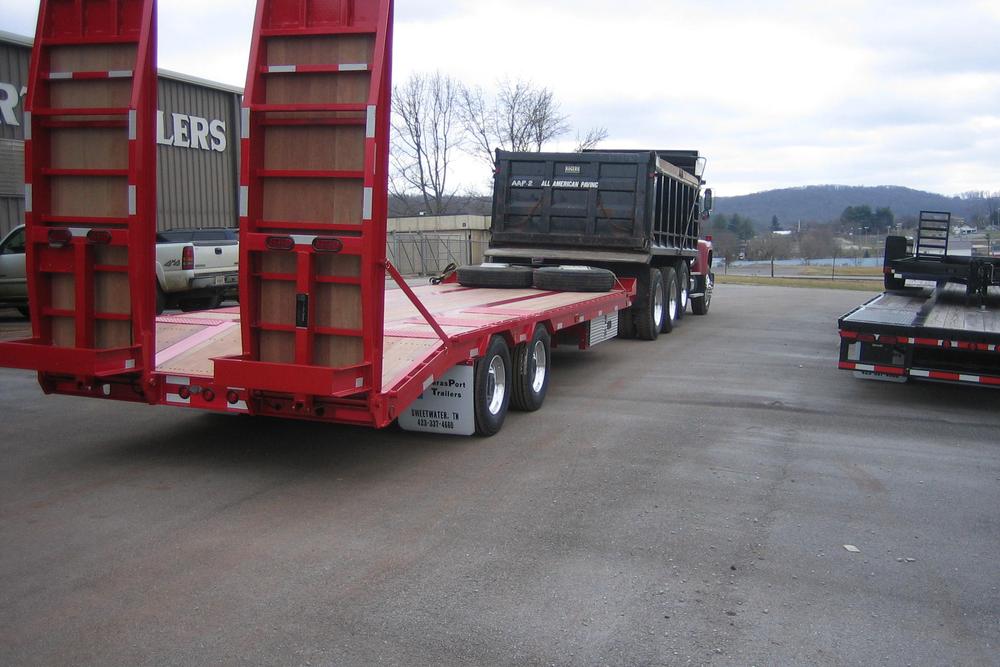
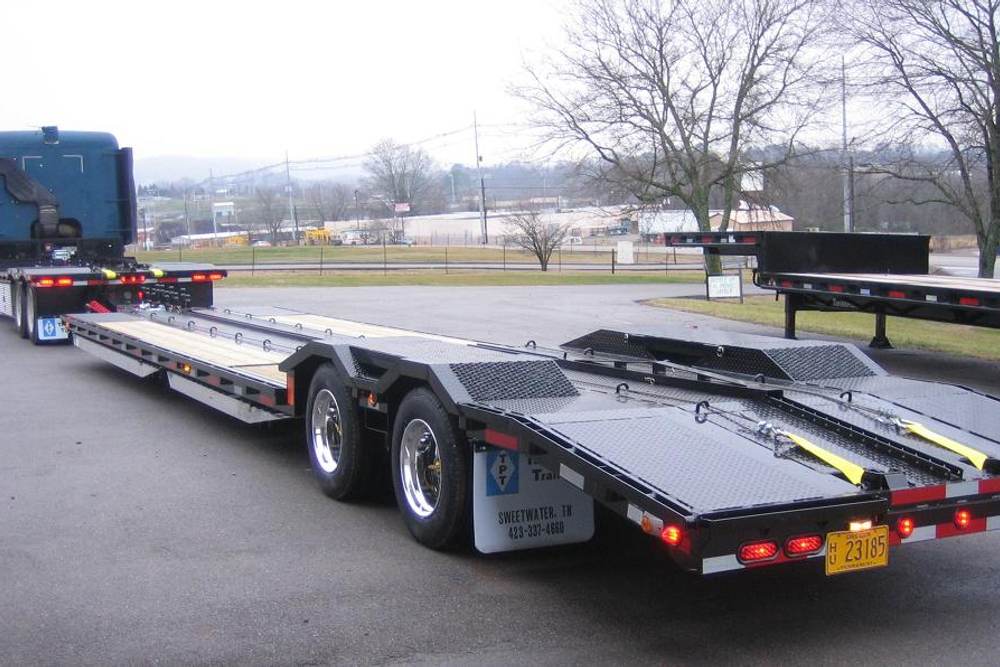
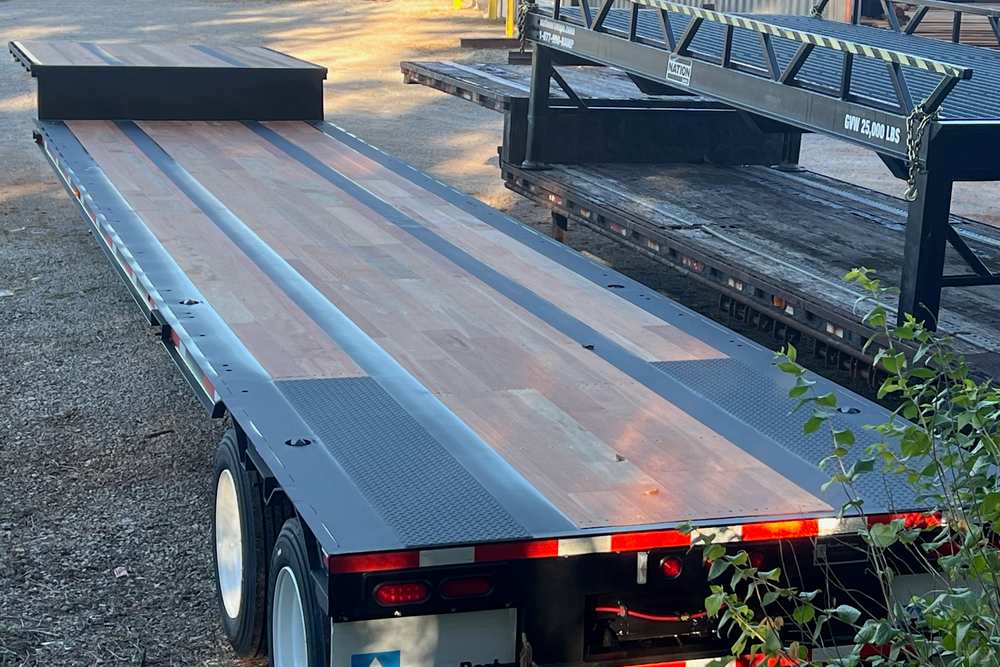
TarasPort Trailers has built gooseneck configurations for fleets, owner-operators, and industrial teams for decades. Our team has seen firsthand how the right hitch type changes towing behavior, especially once heavier or unevenly distributed loads enter the picture. This guide breaks down what a gooseneck trailer offers, along with the trade-offs worth considering before deciding.
What Class Is a Gooseneck Trailer?
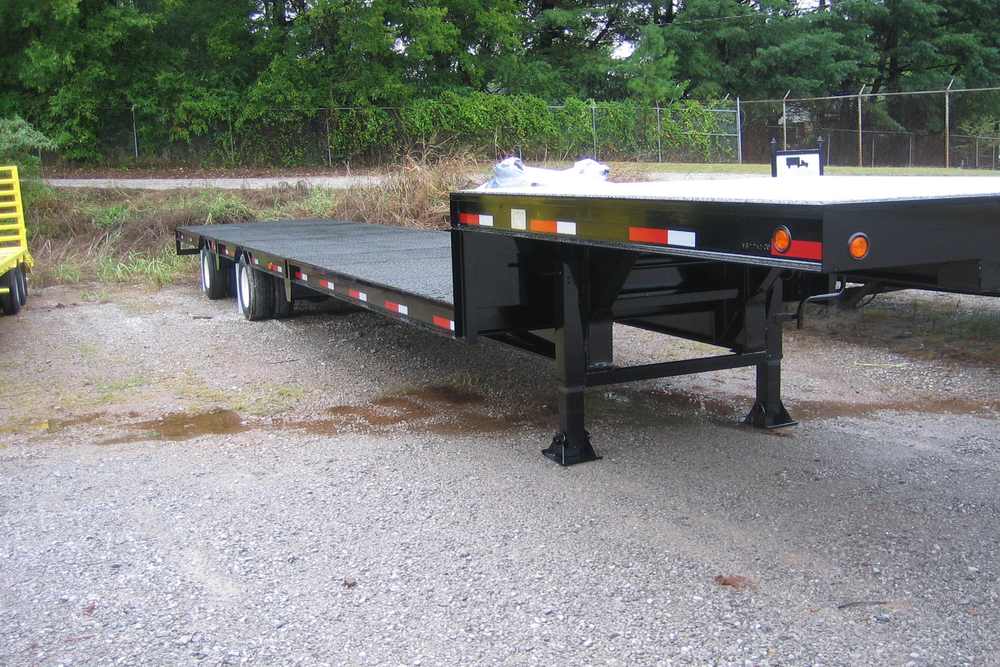
A gooseneck trailer connects through a ball hitch mounted in the bed of a pickup truck, which positions the connection point directly over the rear axle and places it in a class designed for heavier payloads than standard bumper-pull configurations.
Classification depends on gross vehicle weight rating rather than the hitch type alone, so a gooseneck trailer can fall into different weight classes depending on its axle configuration and overall build. Heavier gooseneck trailers used for equipment hauling or industrial loads typically sit in a higher class than lighter models built for personal use.
The connection point also makes a practical difference. Mounting the hitch over the rear axle shifts weight distribution compared to a bumper pull setup, which helps create the towing characteristics discussed below.
Towing Stability and Weight Distribution
The biggest advantage of a gooseneck trailer comes down to how it distributes weight. Positioning the hitch over the rear axle of the tow vehicle reduces sway and improves control, particularly when hauling heavier or unevenly loaded cargo.
This stability becomes noticeable during highway driving, sharp turns, and sudden braking. A gooseneck trailer tracks more predictably behind the tow vehicle than a bumper pull trailer of similar weight. This is because the connection point sits closer to the vehicle’s center of gravity.
This setup also makes backing into a tight space more predictable. A gooseneck trailer turns more sharply than a bumper pull trailer of comparable length, which matters for tight job sites or loading areas with limited maneuvering room. Fleets running mixed cargo types sometimes work with equipment trailer manufacturers to match a gooseneck configuration to the specific loads they haul regularly.
What Are the Benefits of a Gooseneck Trailer?
Beyond towing stability, a gooseneck trailer offers several practical advantages worth considering:
- Higher payload capacity: The hitch position allows for heavier loads compared to standard bumper pull trailers
- Better weight distribution: Positioning over the rear axle reduces strain on the tow vehicle’s suspension
- Tighter turning radius: Backing and maneuvering benefit from the hitch placement
- Reduced trailer sway: Crosswinds and passing vehicles have less effect on tracking
- More bed space: A gooseneck hitch takes up less bed room than a fifth wheel setup, leaving room for additional cargo
These benefits explain why gooseneck trailers are common in agricultural, industrial, and heavy equipment hauling. In these applications, payload capacity and stability often take priority over other considerations.
The Tradeoffs Worth Knowing
A gooseneck trailer isn’t the right fit for every situation, and a few tradeoffs are worth considering before committing to this hitch type.
Installation requires a compatible truck bed with the ball hitch mounted correctly, which limits options for owners without a suitable pickup. Retrofitting a truck bed for gooseneck towing adds cost that a bumper pull setup doesn’t require.
Bed space, while better than a fifth wheel, still takes up room in the truck bed. Owners hauling cargo in the truck bed alongside the trailer find this space reduction noticeable, even if it’s smaller than what a fifth wheel hitch requires.
Cost runs higher as well, both for the trailer and the hitch. A gooseneck trailer, along with the hitch installation, typically costs more upfront than a comparable bumper pull setup. This investment pays off for operators hauling heavy or frequent loads, but it adds a barrier for those with lighter, occasional towing needs.
Maneuvering also takes some adjustment for drivers unfamiliar with gooseneck towing. The turning behavior differs enough from bumper pull trailers that new operators benefit from practice in an open area before hauling on public roads.
Gooseneck Vs. Bumper Pull: When Each Makes Sense
Deciding between a gooseneck and bumper pull trailer depends heavily on the type of hauling involved. A bumper pull trailer works well for lighter, occasional loads where towing simplicity matters more than maximum payload.
A gooseneck trailer makes more sense for heavier, frequent hauling, particularly with equipment, livestock, or industrial cargo that benefits from the added stability and payload capacity. Owner-operators running daily routes with heavier loads often find the investment in a gooseneck setup pays off through reduced downtime and steadier handling.
Route type factors in as well, since highway miles and job-site turns ask different things of a trailer. Highway-heavy hauls benefit from the reduced sway a gooseneck trailer provides, while shorter local routes with lighter cargo may not need that added stability enough to justify the higher upfront cost.
Maintenance Considerations for Gooseneck Trailers
A gooseneck trailer comes with its own maintenance points worth tracking. The hitch mechanism itself needs regular inspection, since it carries more weight and stress than a standard bumper pull ball hitch.
Checking the hitch ball, safety chains, and locking mechanism before each haul catches wear before it becomes a bigger problem. The truck bed mounting hardware deserves attention too, since repeated towing stresses the bolts and mounting plate holding the hitch in place.
Suspension components on the trailer itself see similar wear patterns to other heavy-duty trailers, so keeping bearings, brakes, and tires on a regular inspection schedule matters just as much with a gooseneck configuration as with any other setup.
Stability, Cost, and What It Means for Your Operation
The pros and cons of gooseneck trailers come down to a tradeoff between stability and payload on one side, and upfront cost and truck compatibility on the other. Operators hauling heavy or frequent loads generally find the added stability worth the investment, while lighter or occasional towing needs may not require what a gooseneck setup offers.
We design gooseneck configurations around the loads and routes an operation actually runs, since the right hitch type turns on details that vary from one fleet to the next. Get in touch with our team to talk through the details today.
FAQs
What makes a gooseneck trailer more stable than a bumper pull trailer?
The hitch connects over the tow vehicle’s rear axle instead of hanging off the bumper. This position shifts the connection point closer to the vehicle’s center of gravity. It reduces sway and keeps the trailer tracking more predictably during highway driving, sharp turns, and sudden braking.
Does a gooseneck trailer really need a special truck bed?
Yes, it requires a compatible bed with a ball hitch mounted correctly. Owners without a suitable pickup already set up for this need to retrofit the truck bed, which adds cost and time that a bumper pull setup simply doesn’t require.
Is a gooseneck trailer worth the higher upfront cost?
It depends on how often and how heavy the hauling actually gets over time. Operators running frequent, heavy loads often see the investment pay off through steadier handling, reduced sway, and less downtime compared to a lighter bumper pull setup.
How much bed space does a gooseneck hitch take up?
Less than a fifth wheel setup, but it still reduces usable bed room to some degree. Owners hauling cargo in the truck bed alongside the trailer may notice this reduction depending on the size of their truck and how much extra cargo space they need.
Do gooseneck trailers require different maintenance than other heavy-duty trailers?
The hitch mechanism and truck bed mounting hardware need extra attention due to the added weight and stress they carry. Beyond that, bearings, brakes, and tires follow the same regular inspection schedule as any other heavy-duty trailer configuration.