Quick Summary
Double axle trailers carry higher payloads and hold steadier at highway speeds, while single-axle setups maneuver tighter spaces with less effort and cost less to maintain. The better choice depends on typical payload, route type, and how often a trailer needs to back into tight spots rather than one setup outperforming the other overall.
Selecting between a single vs. double axle trailer comes down to more than towing capacity alone, and the wrong call shows up in tire wear, fuel burn, and time off the road. The right setup depends on the loads being hauled, the routes being run, and how often that trailer sees heavy use versus lighter, occasional jobs.
TarasPort Trailers has built both configurations for decades, working with fleets, owner-operators, and industrial teams who need equipment matched to a specific operation. Let’s walk through how single and double axle trailers differ, so the decision comes down to what actually fits the job.
Single Vs. Double Axle Trailer: The Basic Difference
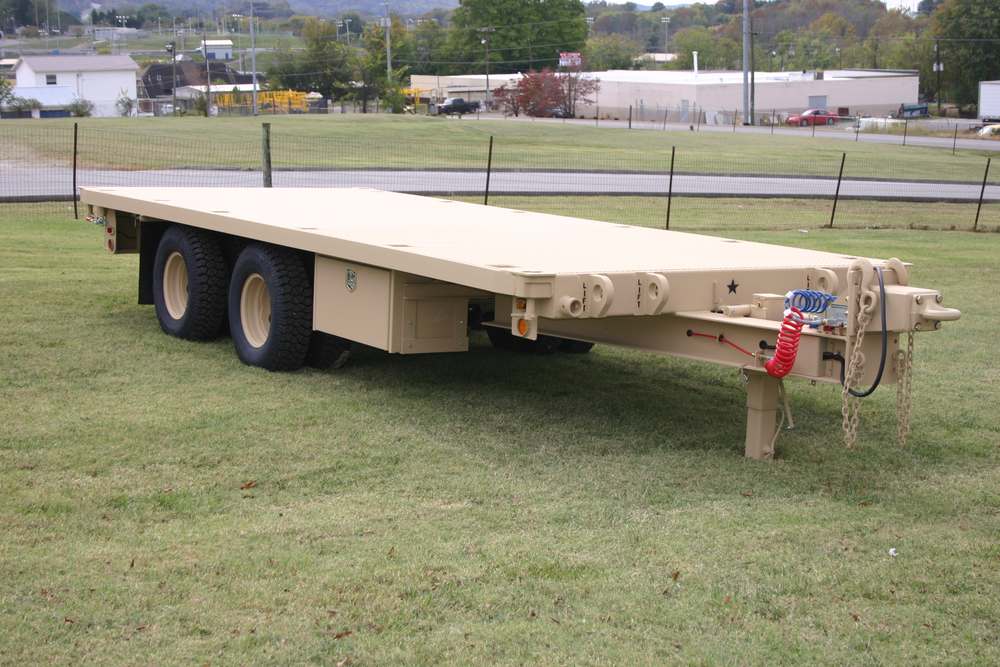
A single axle trailer runs on one axle with two wheels, while a double axle trailer adds a second axle for a total of four wheels. That extra axle changes more than the wheel count. Here’s how the two setups compare at a glance:
- Weight capacity: A double axle trailer generally supports higher payload ranges than a comparable single axle unit
- Stability: Two axles distribute weight more evenly, reducing sway at highway speeds
- Towing feel: A single axle trailer often tows lighter and feels more responsive behind smaller tow vehicles
- Maintenance: Double axle trailers have more components, including an extra set of brakes, bearings, and tires
- Turning radius: Single axle trailers typically maneuver into tight spaces with less effort
- Redundancy: A double axle setup keeps a trailer more stable if one tire fails mid-haul
Each setup solves different priorities, and matching the trailer to the job matters more than axle count alone.
Payload and Weight Distribution
Payload capacity is often the deciding factor between a single vs. double axle trailer. A double axle setup spreads weight across two points of contact with the road. This setup generally allows for a higher overall capacity depending on axle rating and suspension design.
A single axle trailer carries a lighter payload range, since all the weight rests on one axle assembly. This works well for loads that stay within that range consistently, but pushing a single axle trailer near its upper limit puts more strain on the tires, bearings, and suspension components than the same load spread across two axles would.
Weight distribution is about more than axle count alone. A trailer engineered to spec accounts for tongue weight, cargo placement, and how the load shifts during transport.
Getting this right on a custom build reduces uneven tire wear and extends the life of suspension components, no matter which axle configuration fits best. Fleets running variable loads across different jobs sometimes use a load-optimization approach to figure out which axle setup makes sense for the range of freight they haul.
Stability and Towing Behavior
A double axle trailer tends to feel more planted at highway speeds, particularly when carrying a heavier or unevenly distributed load. The second axle reduces sway that can develop on a single-axle trailer, especially in crosswinds or when passing larger vehicles.
A single axle trailer isn’t unstable by any means, but it responds more directly to weight shifts inside the trailer. Unevenly secured cargo affects how a single-axle unit tracks more than a double axle setup, which absorbs that same shift across two points.
Backing up and maneuvering tight turns favor the single-axle trailer, though. Fewer wheels touching the ground means less resistance during tight turns, which matters for operators working in job sites, loading docks, or urban routes where space is limited. A double axle trailer takes up more turning radius and needs more room to back into position.
Maintenance and Long-Term Costs
A double axle trailer has more parts to maintain. Two sets of bearings, two sets of brakes, and double the tires all add up over the life of the trailer, and each component needs its own inspection schedule to avoid uneven wear between axles.
A single-axle trailer simplifies this somewhat, with fewer components to service and lower parts costs when something does need attention. Owner-operators running lighter loads consistently sometimes find this simplicity works better for their maintenance routine and their budget.
That said, a double axle trailer offers a practical advantage if one tire fails during a haul. Running on the remaining wheels on that axle allows the trailer to reach a safe stopping point, which matters for mission-ready operations where downtime isn’t an option. A single axle trailer with a blown tire has no backup on that axle, so a roadside stop becomes unavoidable.
Single Axle Vs. Double Axle Enclosed Trailer Considerations
Enclosed trailers add another layer to this decision, since the enclosure itself adds weight before you load any cargo. A single axle enclosed trailer works well for lighter equipment, tools, or smaller loads that stay well within the axle’s rated capacity.
A double axle enclosed trailer handles heavier equipment, larger cargo volumes, or loads that shift during transport more predictably. The added stability from the second axle matters more here. An enclosed trailer doesn’t let a driver visually check on cargo movement the way an open flatbed does.
Wind resistance plays a role too. An enclosed trailer catches more crosswind than an open trailer of the same length, and a double axle setup handles that resistance with more composure at highway speeds. Operators hauling enclosed cargo on longer routes, or through regions known for high winds, often lean toward the double axle option for this reason alone.
Single Vs. Dual Axle Travel Trailer Differences
Travel trailers bring a different set of priorities into the comparison, since comfort and towing ease matter alongside capacity. A single axle travel trailer tows lighter, which appeals to owners using smaller tow vehicles or towing occasionally rather than as a regular routine.
A dual axle travel trailer carries more amenities, storage, and overall weight, which usually means a heavier tow vehicle and a different towing setup altogether. The added stability helps on longer road trips, particularly on highways with heavier traffic or variable weather conditions.
Backing a dual axle travel trailer into a campsite takes more practice than a single axle unit, since the extra axle reduces how sharply the trailer turns. Owners who value easier maneuvering around tight campground sites sometimes choose a single-axle setup despite the smaller carrying capacity.
Matching Axle Configuration to How You Haul
Picking between a single vs. double axle trailer isn’t about which one performs better in a vacuum. It’s about matching the setup to the actual freight, routes, and frequency of use a trailer will see.
A few questions help narrow the decision:
- What’s the typical payload? Loads near the upper range of a single axle rating may need the extra capacity a double axle provides
- How often does the trailer travel long distances? Highway-heavy routes benefit from the added stability of two axles
- How much maneuvering does the job require? Tight job sites or frequent backing favor a single axle setup
- What’s the maintenance capacity? More components mean more upkeep, which affects long-term costs
A trailer built around these specifics, rather than a generic axle configuration, holds up better across the life of the equipment. This is part of why a custom chassis approach makes a difference for operators whose freight doesn’t fit neatly into a standard category.
The choice between a single vs. double axle trailer comes down to payload needs, route type, and how much maneuvering a job actually demands. Neither setup outperforms the other in every use case, since each solves different priorities depending on the freight involved.
At TarasPort Trailers, we design trailers around the specifics of an operation, since the right setup depends on details that vary from one fleet to the next. Contact our team today about the freight, routes, and load requirements involved if it’s still unclear which configuration fits the job ahead.
FAQs
Does a double axle trailer always carry more weight than a single axle trailer?
Generally yes, since two axles distribute weight across more points of contact. Actual capacity still depends on axle rating and suspension design, not axle count alone.
Why does a single axle trailer maneuver more easily in tight spaces?
Fewer wheels touching the ground create less resistance during turns. This makes single axle trailers a better fit for job sites or loading docks with limited room.
Is a double axle trailer safer if a tire fails on the road?
Running on the remaining wheel on that axle allows the trailer to reach a safe stopping point. A single axle trailer with a blown tire has no backup on that axle.
Do enclosed trailers need a double axle setup more than open trailers?
Not always, but wind resistance affects enclosed trailers more due to their shape and surface area. A double axle setup manages that resistance with more stability at highway speeds, especially on longer routes or in regions known for high winds.
What matters most when choosing between a single and dual axle travel trailer?
Towing ease and typical route length matter most when making this decision. Dual-axle setups add stability for longer trips with heavier loads, while single-axle units maneuver more easily around tight campground spaces and on shorter, occasional trips.