Quick Summary
Deck type, axle configuration, and payload capacity decide whether a car hauler performs well or creates problems down the road. Open trailers cost less and load easier, while enclosed options protect higher-value vehicles from weather and road debris. Double-axle setups add stability and redundancy for heavier loads, and reinforced construction with properly placed tie-downs keeps vehicles secure through repeated use.
A car hauling trailer looks straightforward from the outside, but the details underneath decide whether it holds up to years of loading, unloading, and long hauls. Buying a car hauler means weighing deck type, axle configuration, and payload capacity against the vehicles you’ll transport.
TarasPort Trailers has built hauling trailers for owner-operators, dealerships, and fleets moving vehicles across the country for decades. Our team has seen firsthand how the right setup changes the experience of loading and securing a vehicle compared to a trailer that wasn’t matched to the job. Read on to learn what to look for before you buy, so the trailer fits the vehicles it’s meant to carry.
What to Look for When Buying a Car Hauler?
Before comparing specific models, it helps to be clear on what the trailer needs to do regularly. A car hauler used occasionally for a personal vehicle has different requirements than one running daily for a dealership or transport business.
Some starting questions can narrow the search considerably:
- What type of vehicles get hauled? Sedans, trucks, and specialty vehicles all carry different weight and length needs
- How often does the trailer travel? Daily commercial use wears differently than occasional personal hauls
- Open or enclosed option? Each option protects the vehicle differently and affects towing behavior
- What’s the typical route? Highway-heavy hauls favor different features than short local transport
Answering these questions first keeps the rest of the buying process focused on what matters for the job ahead, rather than pulling you toward features that sound appealing but don’t fit the actual use case.
Open Vs. Enclosed Hauling Trailers
The choice between an open and enclosed hauling trailer comes down to the vehicle’s value, the distance traveled, and the weather conditions along the route. Open trailers cost less upfront and are easier to load and unload, since there’s no enclosure to traverse.
Enclosed hauling trailers protect vehicles from road debris, weather, and theft during transport. This matters more for higher-value vehicles, classic cars, or vehicles hauled over longer distances, where exposure to the elements adds up over time. The tradeoff is weight, since the enclosure itself adds to the overall trailer weight before any vehicle is loaded.
Owner-operators specializing in vehicle transport often find that working with auto transport trailer manufacturers who build to spec results in a trailer suited to the specific vehicles being hauled.
Deck Type and Loading Considerations
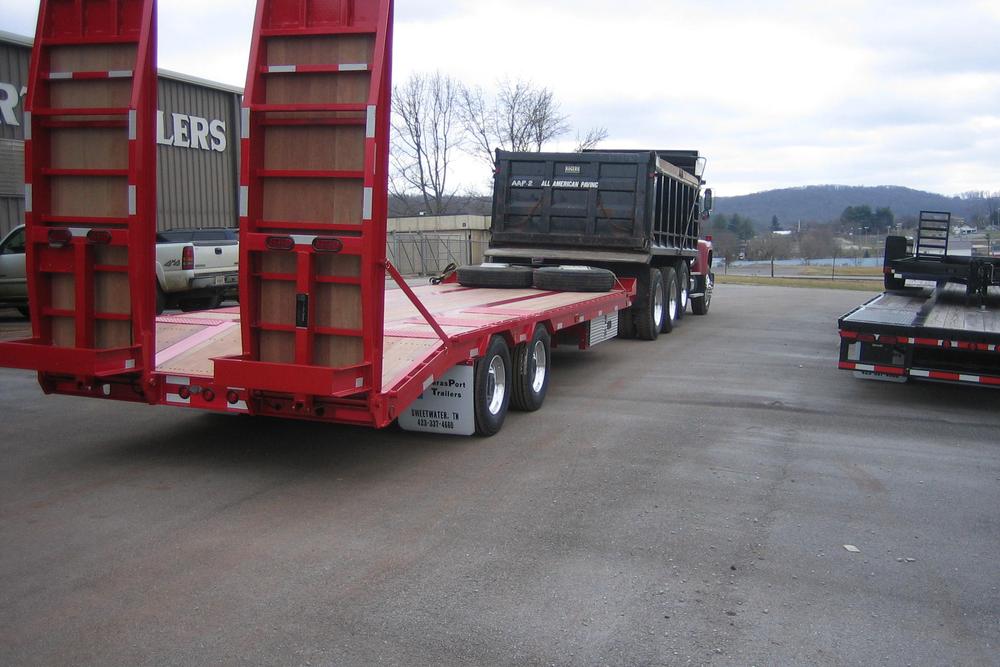
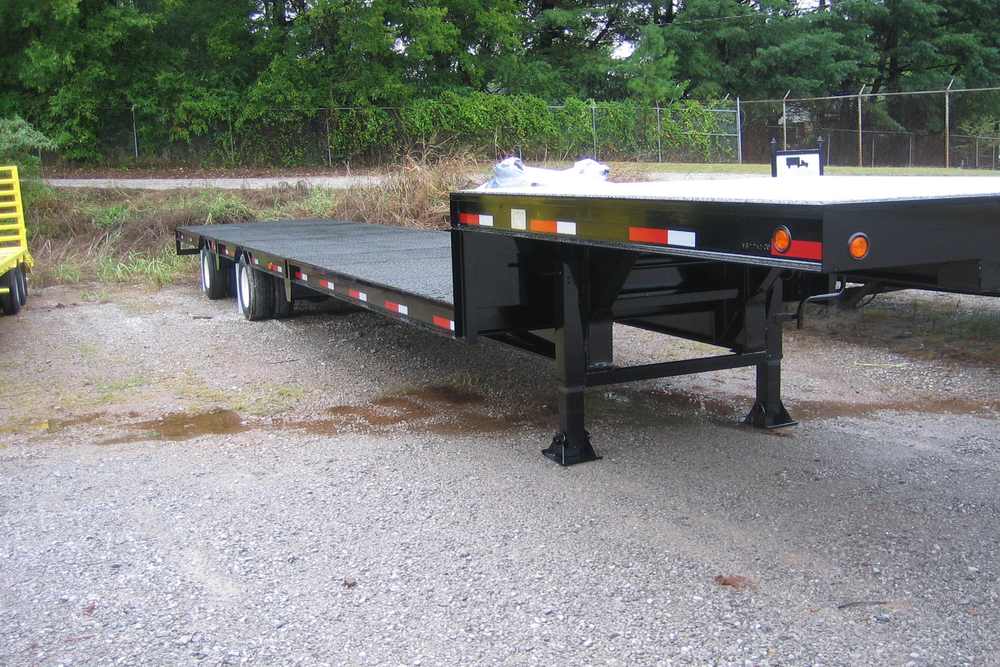
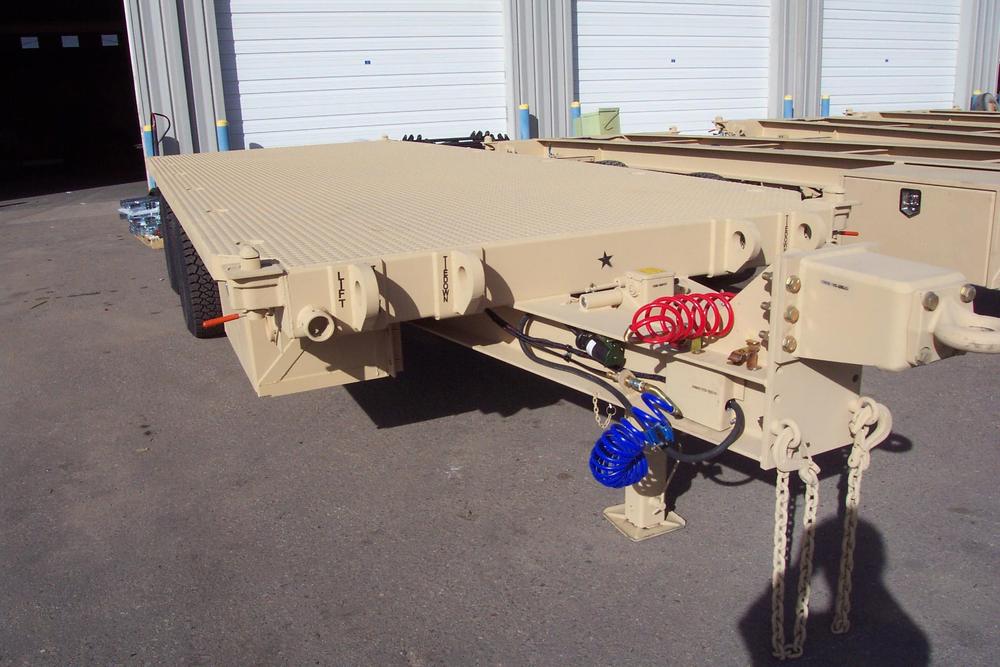
Deck configuration affects how vehicles load, how much ground clearance a driver has to work with, and how secure the vehicle stays during transport. Flatbed decks work well for a range of vehicle types and allow straightforward loading from the rear or side, depending on the trailer design.
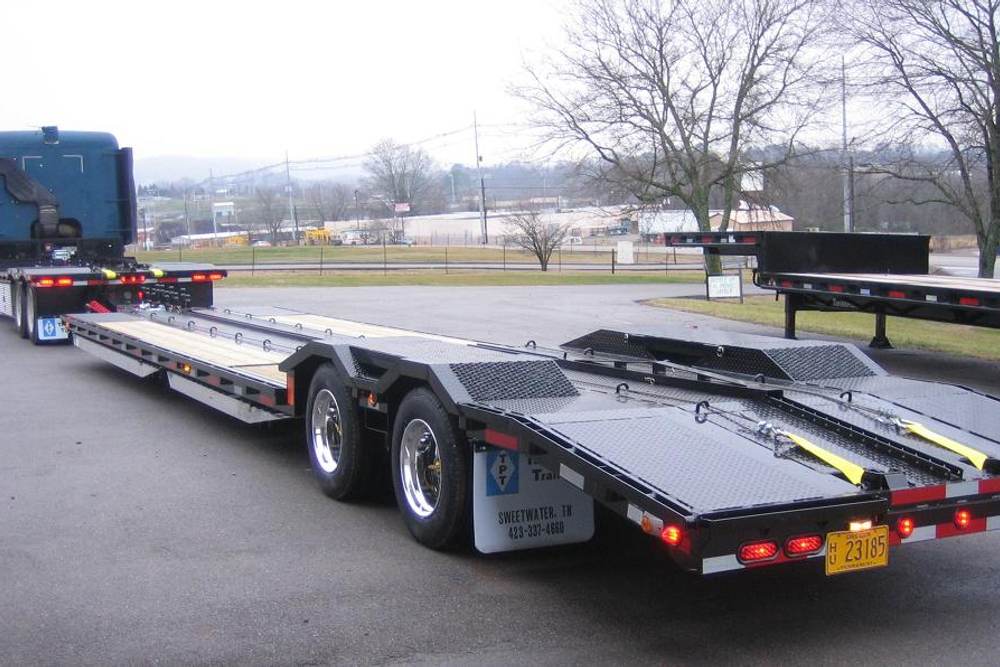
Low-profile decks make loading easier for vehicles with limited ground clearance, including sports cars or lowered vehicles that would otherwise scrape at a steep loading angle. This detail matters more than it might seem at first glance, since a mismatched deck height turns a routine load into a slow, careful process every time.
Tie-down points and their placement deserve attention too, since a hauling trailer with well-placed anchors secures a vehicle evenly across its frame, reducing movement in transit and protecting it from shifting through turns or sudden stops. Reinforced tie-down areas hold up better over repeated use than points not built for heavier vehicle weights.
Axle Configuration for Car Haulers
Axle setup affects both payload capacity and how a hauling trailer handles once loaded. A single vs. double axle trailer decision depends on the weight of vehicles being hauled and how often the trailer runs near its upper capacity range.
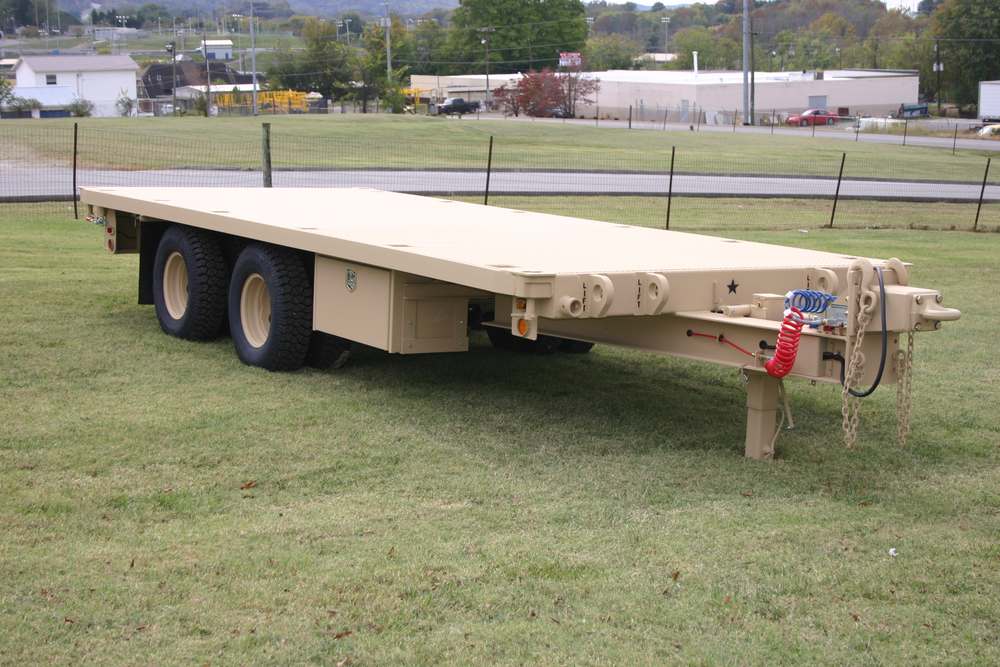
A single axle setup works for lighter vehicles or occasional use, offering easier maneuvering and a lower overall trailer weight. A double-axle configuration distributes weight across two axles, generally supports a higher payload range, and adds stability when hauling heavier vehicles or running longer highway routes.
Redundancy also plays a role in this decision. A double-axle trailer keeps a loaded vehicle transportable even if one tire fails during a haul, since the remaining wheel on that axle lets the trailer reach a safe stopping point. A single-axle setup with a tire failure has no backup on that axle, which becomes a bigger concern when an expensive vehicle is already loaded onboard.
Payload Capacity and Weight Ratings
Payload capacity determines what a hauling trailer can safely carry, and getting this number wrong creates problems well beyond a failed inspection. A trailer rated for a specific weight range must account for the vehicle itself, plus any additional cargo, tools, or equipment loaded alongside it.
Weight distribution across the trailer matters just as much as the total capacity. Loading a vehicle too far forward or backward changes how the trailer tows, affecting everything from braking distance to highway-speed handling. Checking manufacturer specifications for both the trailer and the tow vehicle keeps the whole setup within safe operating ranges.
A trailer engineered to spec accounts for these details from the start, rather than leaving weight distribution to guesswork once a vehicle gets loaded. This matters most for owner-operators hauling a range of vehicle types and weights, not just one consistent load.
Reinforced Construction and Long-Term Durability
A hauling trailer sees repeated stress from loading, unloading, and vehicles shifting during transport. Reinforced frame construction, quality welds, and a suspension system matched to the expected payload all affect how the trailer holds up over years of regular use.
Steel construction offers durability that holds up better than lighter alternatives under the repeated stress of vehicle transport, particularly for trailers running daily commercial routes. Ramps and loading surfaces deserve the same attention, since these components take direct wear every time a vehicle drives on or off the trailer.
Hydraulic systems used for ramps or tilt decks add convenience but also introduce another component that needs regular maintenance. A hauling trailer with a well-designed hydraulic system significantly reduces loading time. Checking fluid levels and hose condition should become part of a regular maintenance routine.
Specialized Hauling Trailers Beyond Standard Vehicles
Not every hauling trailer exists solely for standard passenger vehicles. Some operations need trailers configured for specialized equipment with similar loading and weight-distribution challenges. A trailer designed for air handling equipment faces comparable considerations around payload distribution and reinforced construction, even though the cargo itself bears no resemblance to a car.
Understanding these parallels helps when a fleet runs mixed cargo types. The same principles of weight distribution, tie-down security, and reinforced construction apply whether the trailer carries a vehicle or industrial equipment.
Insurance and Registration Considerations
Buying a car hauler often comes with paperwork that catches new owners off guard. Trailers above certain weight thresholds may need separate registration from the tow vehicle. Requirements can vary depending on state and intended use.
Insurance coverage matters just as much, since a standard auto policy doesn’t always extend to a hauling trailer or the vehicle being transported on it. Checking with a local DMV and insurance provider before finalizing a purchase helps avoid coverage gaps that only become obvious after something goes wrong. This step takes little time but protects against costly surprises down the road.
Making a Purchase That Lasts
Buying a car hauler comes down to matching deck type, axle configuration, and payload capacity to the vehicles you’re actually transporting. A hauling trailer that fits the job reduces loading headaches and holds up better across years of regular use, while a mismatched trailer creates problems that show up gradually and cost more to fix later.
At TarasPort Trailers, we design hauling trailers around the specific vehicles and routes an operation runs, since a car hauler built for one use case rarely performs as well when pushed into another. The right configuration depends on the vehicles you actually haul. Connect with our team to go over the details today.
FAQs
What’s the biggest factor in choosing between an open and enclosed car hauler?
Vehicle value and travel distance matter most. Enclosed trailers protect against weather and road debris on longer hauls, while open trailers cost less and work fine for shorter, local routes where exposure is less of a concern.
Does deck height really matter when hauling different vehicle types?
Yes, a mismatched deck height turns simple loading into a slow, careful process. Low profile decks help with lowered vehicles or sports cars, while standard flatbed decks handle a wider range of vehicle types without issue.
Is a double axle trailer necessary for hauling one vehicle at a time?
Not always, since it depends on the vehicle’s weight and how often the trailer runs near its capacity range. Heavier vehicles or longer highway routes benefit from the added stability and redundancy a double axle setup provides.
How does tie-down placement affect vehicle safety during transport?
Well-placed anchor points secure a vehicle more evenly across its frame. Reinforced tie-down areas reduce movement during turns or sudden stops, protecting the vehicle better than points not built for heavier weights.
What maintenance does a hydraulic ramp system on a hauling trailer need?
Check fluid levels and hose condition regularly, not only when something feels off. A well-maintained hydraulic system reduces loading time and prevents small issues from turning into bigger repairs later.