Quick Summary
Hitch position is the core difference between a gooseneck trailer and a bumper pull trailer, and it shapes stability, payload capacity, and towing behavior. Gooseneck setups handle heavier loads with better control on highways and grades. Bumper pull trailers cost less and suit lighter, local hauls instead. Dump trailer applications add extra chassis stress and load weight, and the tow vehicle and frequency of use ultimately determine which setup best fits a fleet.
Weighing a gooseneck trailer vs. bumper pull setup comes down to more than personal preference. The decision affects towing stability, payload capacity, and how a trailer performs across different jobs.
Fleet managers, owner/operators, and anyone hauling heavy equipment regularly eventually face this gooseneck trailer vs. bumper pull question. The answer depends on what you’re hauling, how often, and what tow vehicle you use. This guide breaks down what separates these two trailer types to make the choice easier.
Gooseneck Trailer Vs. Bumper Pull Trailer: What Sets Them Apart
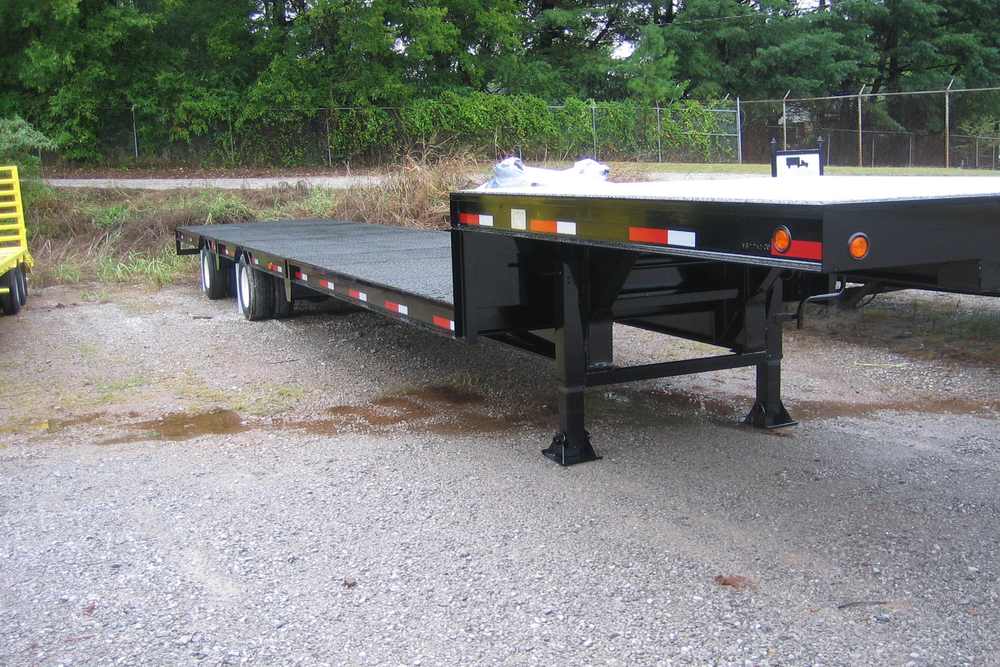
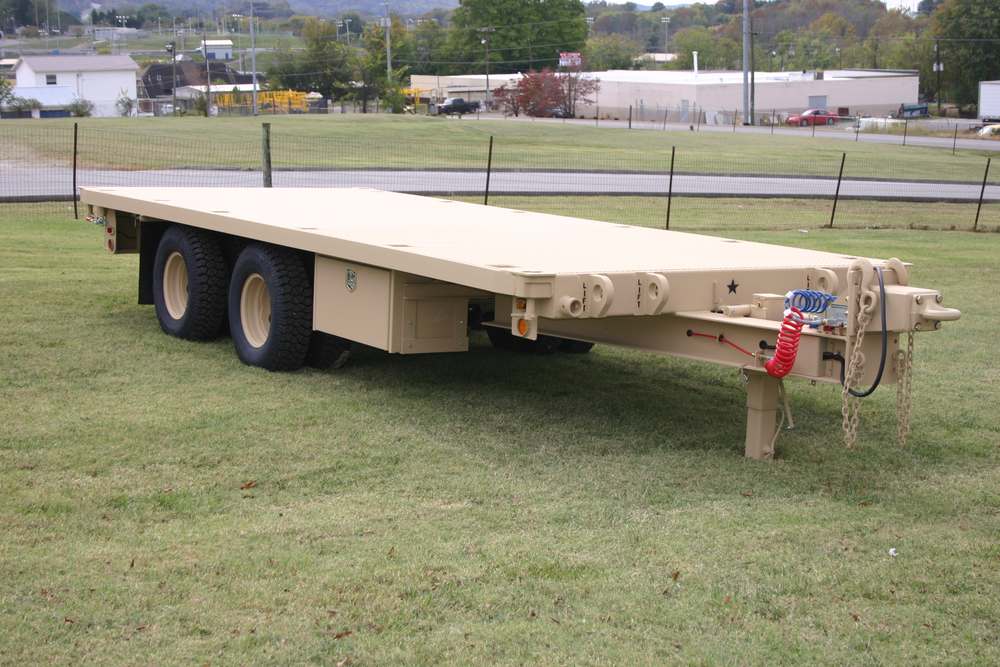
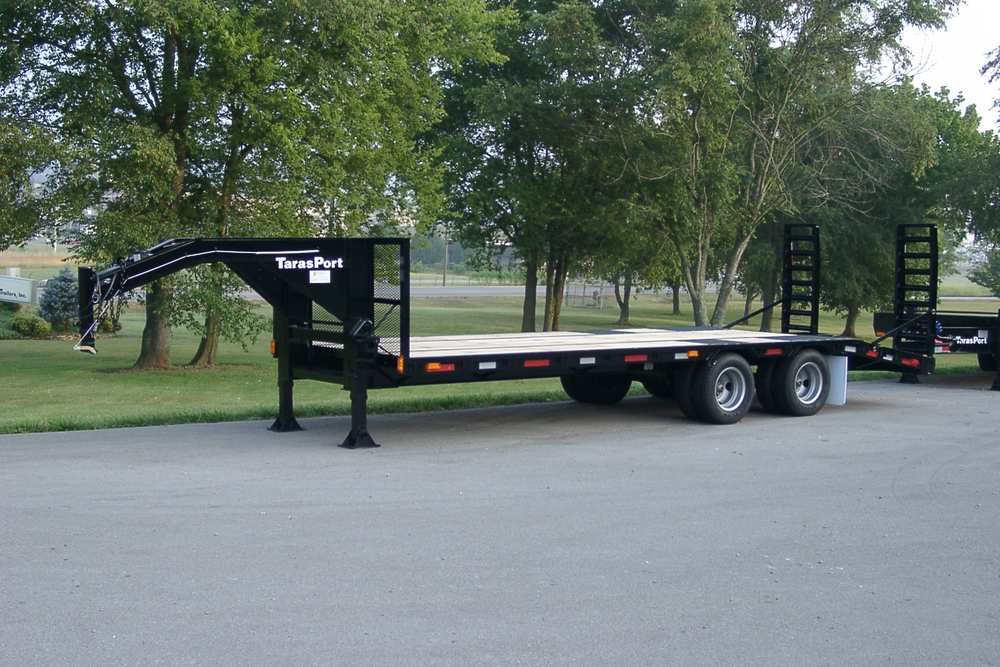
The biggest difference starts at the hitch point, where a bumper pull trailer connects through a ball mounted near the rear bumper, putting the tongue weight behind the rear axle rather than over it. A gooseneck trailer connects through a hitch positioned in the bed of a pickup truck, placing that weight over the rear axle instead.
This difference in hitch position changes how a trailer tracks, turns, and handles on the road. It matters most at highway speeds or during sudden lane changes, when weight distribution has the biggest impact on control.
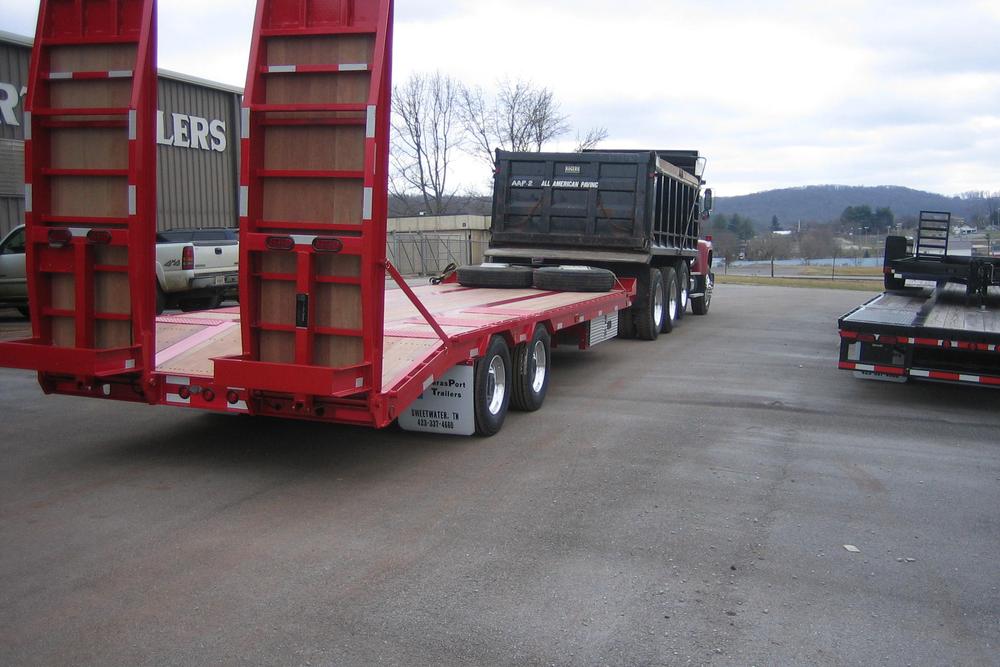
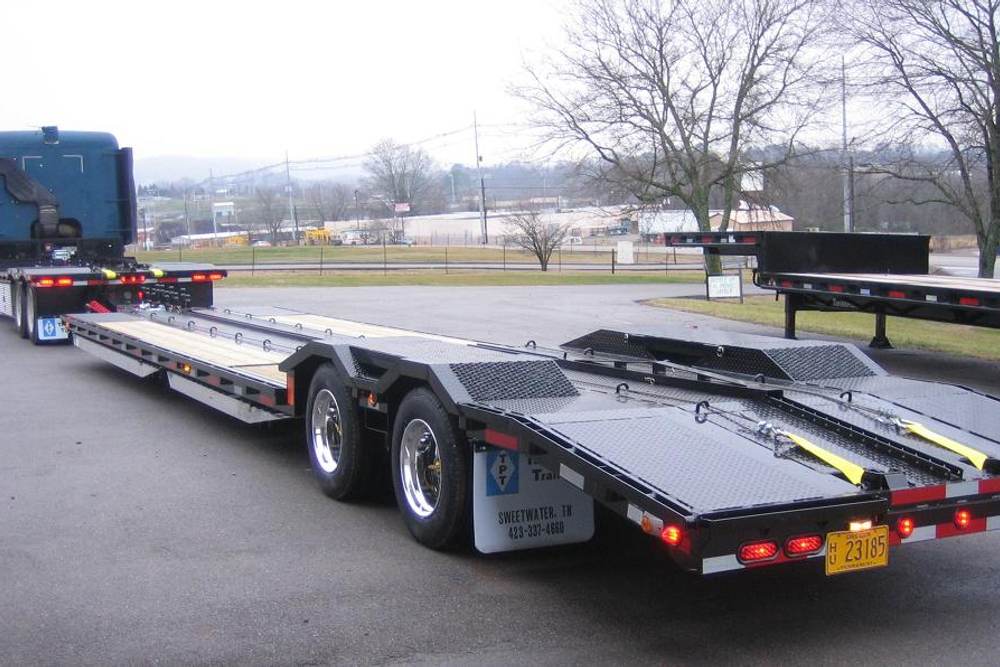
Anyone weighing a gooseneck trailer vs. a bumper pull will notice this hitch difference explains much of what follows, including stability, turning radius, and how much weight a trailer can carry safely. At TarasPort Trailers, we build both configurations, along with the full range of trailer options fleets use for everyday hauling and specialty equipment alike.
Chassis Engineering Behind a Gooseneck Vs. Bumper Pull Dump Trailer
A dump trailer puts extra pressure on this comparison. Dumping cycles add stress that a standard flatbed doesn’t see as often.
In a gooseneck vs. bumper pull dump trailer setup, chassis design plays a bigger role than hitch type alone. Frame strength, axle placement, and hydraulic cylinder positioning all depend on how weight moves during a dump cycle. A chassis engineered around that motion holds up longer than one adapted after the fact.
This is part of why chassis design gets treated as its own discipline. Every axle configuration and reinforcement point gets designed around the equipment it needs to carry, be it a dump trailer, a generator set, or specialty oilfield gear.
Stability and Towing Behavior
Stability separates these two trailer types in ways that go beyond comfort behind the wheel. A gooseneck sits its pivot point over the truck bed, closer to the vehicle’s center of gravity. As a result, sway at highway speeds or during sudden lane changes stays limited.
A bumper pull carries its pivot point further back, so sway shows up sooner, particularly with heavier or taller loads. Owner/operators hauling loads near the upper end of what their vehicle can handle often find a gooseneck setup easier to control, particularly on grades or in windy conditions.
Lighter, shorter hauls on local routes rarely need that extra stability, and a bumper pull setup handles those jobs without the added cost or complexity.
Common Applications for Each Trailer Type
Certain industries lean toward one trailer type more consistently than others, though exceptions exist in nearly every fleet.
Livestock haulers, construction crews moving heavy machinery, and oilfield operations transporting mission-ready equipment often choose gooseneck setups for added stability and higher weight capacity. Landscaping companies, small construction outfits, and businesses hauling lighter equipment between local job sites frequently stick with bumper pull trailers. Their lower cost and easier maneuverability suit shorter, lighter routes.
Mixed fleets sometimes run both configurations side by side. Gooseneck trailers get assigned to long-haul or heavy jobs, while bumper pull trailers cover quick, local runs. This approach keeps equipment matched to the job instead of forcing one trailer type to handle everything a fleet might encounter.
Payload Capacity and Hauling Considerations
Weight capacity is usually what settles the comparison. A few points worth keeping in mind:
- Gross weight ratings: Gooseneck trailers typically carry higher gross vehicle weight ratings because the hitch sits over the rear axle, spreading load more evenly across the frame
- Tow vehicle requirements: Gooseneck setups generally call for a three-quarter-ton or one-ton pickup with an open bed and a compatible hitch installed
- Payload distribution: Bumper pull trailers work well for lighter, evenly distributed loads but lose stability faster once weight climbs toward their rated maximum
- Fleet flexibility: A bumper pull trailer can pair with a broader range of vehicles, including SUVs and light-duty trucks, which matters for fleets running mixed equipment
Matching the Trailer to Your Hauling Needs
Picking between the two comes down to a handful of practical questions.
- Load weight: Loads that push close to a bumper pull’s rated capacity usually point toward a gooseneck instead
- Tow vehicle: A gooseneck needs a pickup bed and hitch installation, so the vehicle already in the fleet affects the decision
- Frequency of use: Trailers used daily across varied terrain benefit from the added stability a gooseneck provides
- Application type: Livestock, construction equipment, and oilfield loads often lean toward a gooseneck. Landscaping gear or smaller equipment often works fine on a bumper pull
Cost and Long-Term Value Considerations
Purchase price often nudges buyers toward a bumper pull trailer initially, since the smaller frame and simpler hitch system usually cost less up front.
Total cost of ownership tells a different story once maintenance, replacement cycles, and downtime come into play. A trailer engineered for the load it carries, with a chassis and suspension system matched to expected weight, holds up over more seasons and needs fewer repairs along the way.
Fuel efficiency factors in as well, particularly over long routes. A gooseneck trailer’s improved weight distribution reduces strain on the tow vehicle’s engine and transmission compared to a bumper pull carrying a similar load. That difference adds up across a fleet running long routes regularly.
Making the Call for Your Fleet or Operation
No single answer covers every hauling situation, and that’s the point. A landscaping crew moving mowers between job sites has different needs than an oilfield operation moving heavy equipment across rough terrain.
Owner/operators running mixed loads sometimes keep both trailer types in rotation. They choose based on the job at hand rather than habit alone.
Custom-engineered trailers, built to spec for the equipment they’ll carry, remove a lot of the guesswork from this decision. Frame reinforcement, axle placement, and hitch configuration get selected around the actual application instead of a generic platform. It’s an approach that keeps uptime higher and maintenance costs lower over time.
Building the Setup That Fits Your Next Job
A gooseneck trailer and a bumper pull trailer both serve a purpose. The best choice depends on load size, tow vehicle, and how often you use the trailer. TarasPort Trailers helps owner/operators and fleet managers sort through these details regularly, matching hitch type and chassis design to the job instead of the other way around.
A trailer setup designed around your next job starts with a conversation about the loads. Contact our team today.
FAQs
What is the main difference between a gooseneck trailer and a bumper pull trailer?
The hitch point sets them apart. A gooseneck connects in the truck bed over the rear axle, and a bumper pull connects at the rear bumper. This changes weight distribution and stability.
Which trailer is better for hauling heavy equipment?
Gooseneck trailers usually carry higher weight ratings and stay more stable at higher loads. They work well for construction equipment, oilfield gear, and livestock hauling.
Do bumper pull trailers cost less than gooseneck trailers?
Bumper pull trailers typically cost less to buy because they have a simpler hitch system and smaller frame. Long-term costs depend on load size and how often you use the trailer.
What truck do I need to tow a gooseneck trailer?
Gooseneck trailers generally need a three-quarter-ton or one-ton pickup with an open bed and a compatible hitch installed. Bumper pull trailers work with a wider range of vehicles, including SUVs.
How does trailer choice affect dump trailer performance?
Dumping cycles add extra stress on the frame and hydraulic system. A chassis engineered around that motion holds up better than one adapted from a standard flatbed design.