Quick Summary
Buying a flatbed trailer is a significant investment, and making the wrong decision can lead to expensive repairs, lower productivity, and unnecessary downtime. Many flatbed trailer buying mistakes happen because buyers focus only on price instead of considering capacity, trailer specifications, maintenance, and long-term operating costs. Understanding the most common mistakes helps businesses choose equipment that matches their hauling needs and delivers reliable performance for years to come.
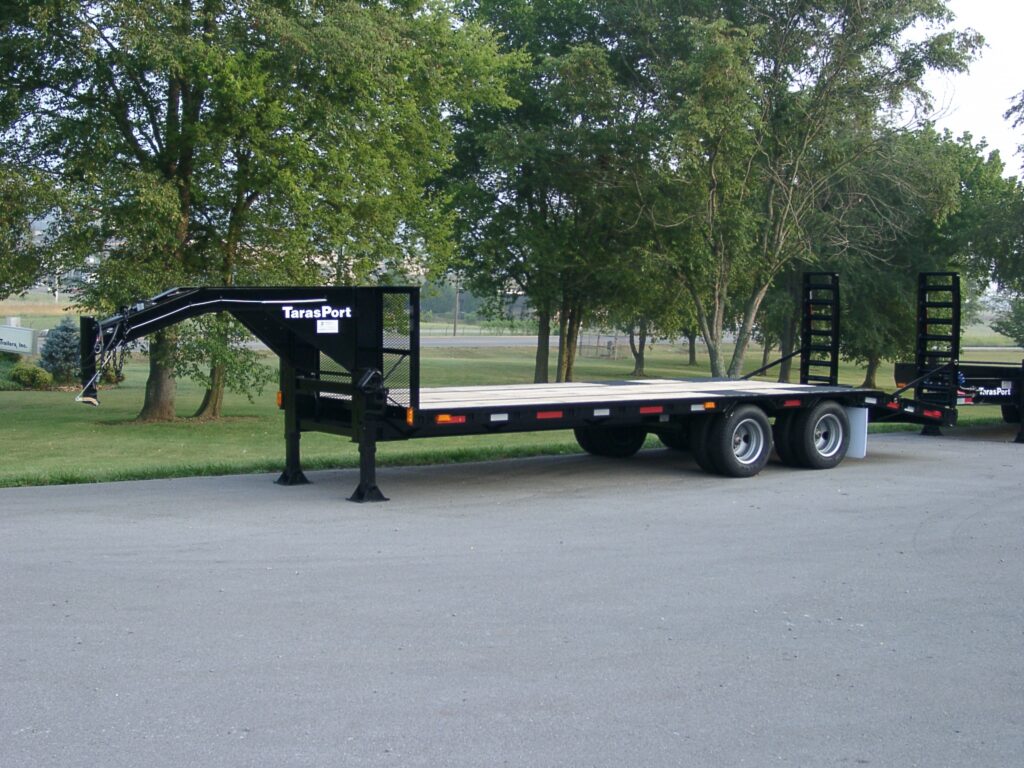
A flatbed trailer is one of the most versatile pieces of hauling equipment available. It transports construction materials, heavy machinery, industrial equipment, agricultural products, and oversized cargo that enclosed trailers simply cannot accommodate.
With so many models, configurations, and customization options available, choosing the right trailer can become more challenging than many buyers expect.
Many purchasing decisions are based on initial cost alone, but that approach often creates problems later. Selecting the wrong trailer can reduce productivity, increase maintenance expenses, and even create safety concerns. Understanding these common flatbed trailer buying mistakes can help you make a more informed investment.
Focusing Only on the Purchase Price
The lowest-priced trailer is rarely the least expensive option over its lifespan.
Budget models often use lighter components, lower-grade materials, or designs intended for occasional use rather than demanding commercial applications. Those savings can disappear quickly when repairs, downtime, and premature replacement become necessary.
Instead of comparing purchase prices alone, evaluate the trailer’s expected service life, maintenance requirements, resale value, and overall operating costs.
Choosing the Wrong Weight Capacity
Buying a trailer with insufficient capacity is one of the most expensive mistakes operators make.
Every trailer has a Gross Vehicle Weight Rating (GVWR) that determines how much weight it can safely carry. Selecting a trailer that barely meets your current requirements leaves little room for future projects or heavier equipment.
Overloading also increases wear on axles, suspension components, brakes, and tires while creating unnecessary safety risks.
Purchasing a trailer with the proper capacity gives your operation greater flexibility as your hauling needs grow.
Ignoring Trailer Length Requirements
Many buyers assume longer trailers are always better.
A longer deck creates more cargo space but also reduces maneuverability in tight work sites, warehouse yards, and urban areas. Shorter trailers are easier to tow but may limit the equipment or materials you can transport.
The right length depends on the dimensions of your typical cargo, loading procedures, and the roads your drivers use most often.
Overlooking Material Selection
Trailer material directly affects durability, maintenance, payload, and operating costs.
Steel trailers remain a popular choice because of their strength, durability, and lower upfront cost. Aluminum trailers weigh less, resist corrosion more effectively, and may improve fuel efficiency over time.
Climate, cargo type, operating environment, and expected service life should all influence material selection rather than simply choosing whichever option costs less.
Not Matching the Trailer to the Cargo
Different industries require different trailer configurations.
Construction companies often need reinforced decks for heavy machinery. Agricultural operations may prioritize ramp designs that simplify equipment loading. Manufacturing businesses frequently require specialized tie-down locations or customized deck layouts.
Purchasing a general-purpose trailer for specialized cargo often reduces efficiency and creates unnecessary loading challenges.
Forgetting About Maintenance Requirements
Every trailer requires regular maintenance, but some designs require significantly more attention than others.
Axles, suspension systems, brakes, lighting, wiring, decking, and structural components all require routine inspections. Buyers should also consider how easily replacement parts can be sourced and whether local service centers are familiar with the trailer’s components.
Choosing quality materials and dependable construction often reduces maintenance costs over the trailer’s lifespan.
Ignoring Future Growth
Many companies purchase trailers based only on current workloads.
Business needs often change over time. Equipment becomes larger, projects expand, and cargo requirements evolve. Buying a trailer that only satisfies today’s needs may require another purchase much sooner than expected.
Planning for future growth often delivers stronger long-term value than selecting the minimum acceptable specifications.
Buying Without Considering Customization
Standard trailers work well for many applications, but they are not always the best solution.
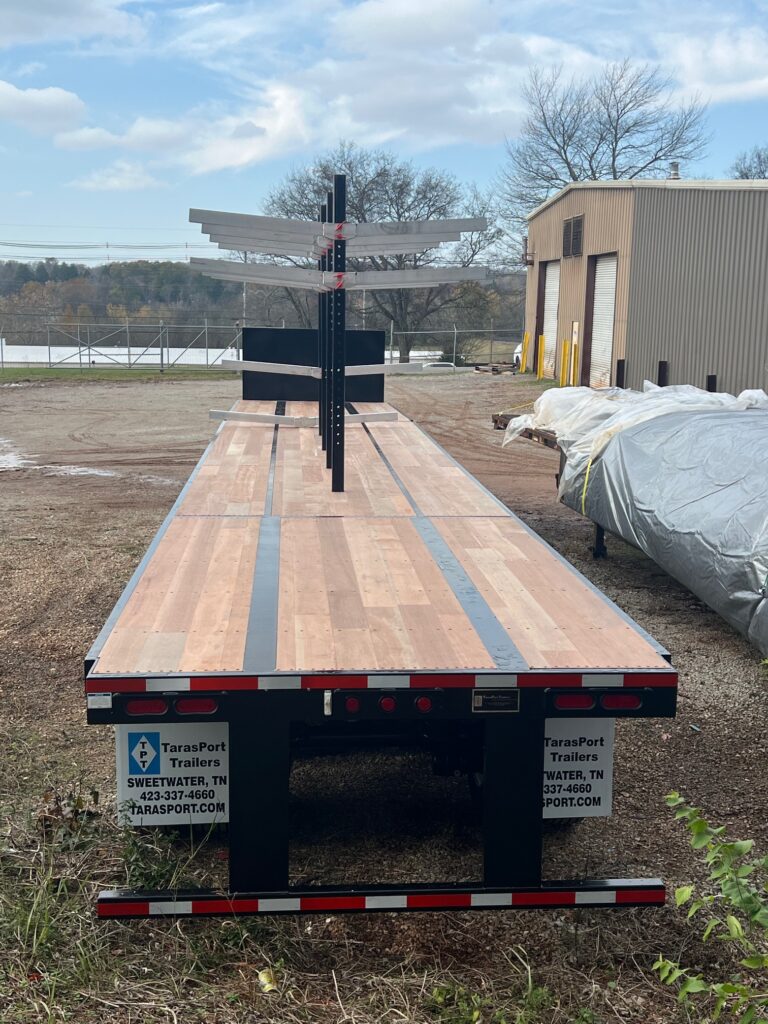
Custom features such as additional tie-down points, hydraulic ramps, reinforced flooring, specialized axle placement, storage compartments, or upgraded lighting can dramatically improve daily productivity.
A trailer designed around your actual workflow often performs better than one selected from standard inventory.
Choosing a Manufacturer Based Only on Availability
The manufacturer behind the trailer matters just as much as the trailer itself.
An experienced manufacturer understands load distribution, structural engineering, regulatory requirements, and industry-specific applications. Strong communication, realistic production schedules, and quality craftsmanship continue to add value long after delivery.
Selecting a trusted manufacturer often leads to better equipment, smoother project planning, and dependable customer service throughout the trailer’s life.
How to Choose the Right Flatbed Trailer
Avoiding these mistakes starts with understanding exactly how your trailer will be used.
Think about the typical cargo you haul, maximum weight requirements, loading methods, operating environment, and future business plans. Those details determine the ideal trailer length, axle configuration, deck material, and optional features.
Working with an experienced trailer manufacturer also makes the decision easier. Instead of selecting equipment from a generic catalog, you can discuss your operation and identify the configuration that best fits your daily workload.
At TarasPort Trailers, we build every trailer around each customer’s specific application. We work with fleet managers, independent operators, construction companies, agricultural businesses, and military organizations, each with unique hauling requirements. Our custom engineering approach helps match every trailer to those needs while improving efficiency and long-term reliability.
Final Thoughts
Purchasing a flatbed trailer should be viewed as a long-term investment rather than a short-term expense. Looking beyond the purchase price and evaluating capacity, material, customization, maintenance, and manufacturer experience can prevent expensive problems later.
Avoiding these flatbed trailer buying mistakes helps your business improve productivity, increase safety, and extend the life of your equipment. Taking the time to choose the right trailer today can save significant time and money throughout years of operation.
If you’re planning your next trailer purchase, our team is ready to help. We will walk you through your options, compare configurations, and recommend a trailer built around your specific hauling requirements.
FAQs
What is the biggest flatbed trailer buying mistake?
Focusing only on the purchase price is one of the most common mistakes. Long-term operating costs, maintenance, durability, and productivity often have a much greater financial impact than the initial purchase price.
Should I choose steel or aluminum?
Steel is generally better for heavy-duty applications because of its strength and lower upfront cost. Aluminum weighs less and resists corrosion, making it a strong option for operators looking to improve payload capacity and reduce maintenance.
Is a custom flatbed trailer worth the investment?
Yes. A custom trailer is designed around your specific cargo, workflow, and operating conditions, which often improves efficiency and reduces downtime compared to a standard production model.
How do I know what trailer capacity I need?
Choose a trailer that comfortably handles your heaviest expected load while accounting for future growth. Operating near maximum capacity every day can increase wear and shorten equipment life.
How long should a quality flatbed trailer last?
Service life depends on construction quality, maintenance, operating conditions, and usage. A well-built trailer that receives regular maintenance can remain in service for many years while continuing to perform reliably.