Quick Summary
A conestoga trailer combines the loading flexibility of a flatbed with the weather protection of an enclosed unit through a retractable, rolling tarp system. This makes it a practical choice for construction materials, manufacturing components, agricultural equipment, and packaged goods that need to stay dry during transport. Compared to standard flatbeds, conestoga trailers reduce manual tarping time and improve cargo security, while still allowing side and top loading access that fully enclosed trailers cannot offer. Custom built conestoga configurations, matched to specific cargo dimensions and route conditions, deliver stronger long-term performance than generic, mass-produced trailer options.
Weather delays, cargo damage, and slow loading times are constant headaches for fleets that rely on open flatbeds. A conestoga trailer offers a practical solution to all three, combining the flexibility of a flatbed with the protection of an enclosed trailer.
But what is a conestoga trailer exactly, and is it the right fit for your operation? This guide breaks down everything fleet managers and operators need to know.
At TarasPort Trailers, we build custom trailer solutions for businesses that need more than a standard flatbed can offer, and conestoga configurations are becoming an increasingly popular request among our customers.
What is a Conestoga Trailer?
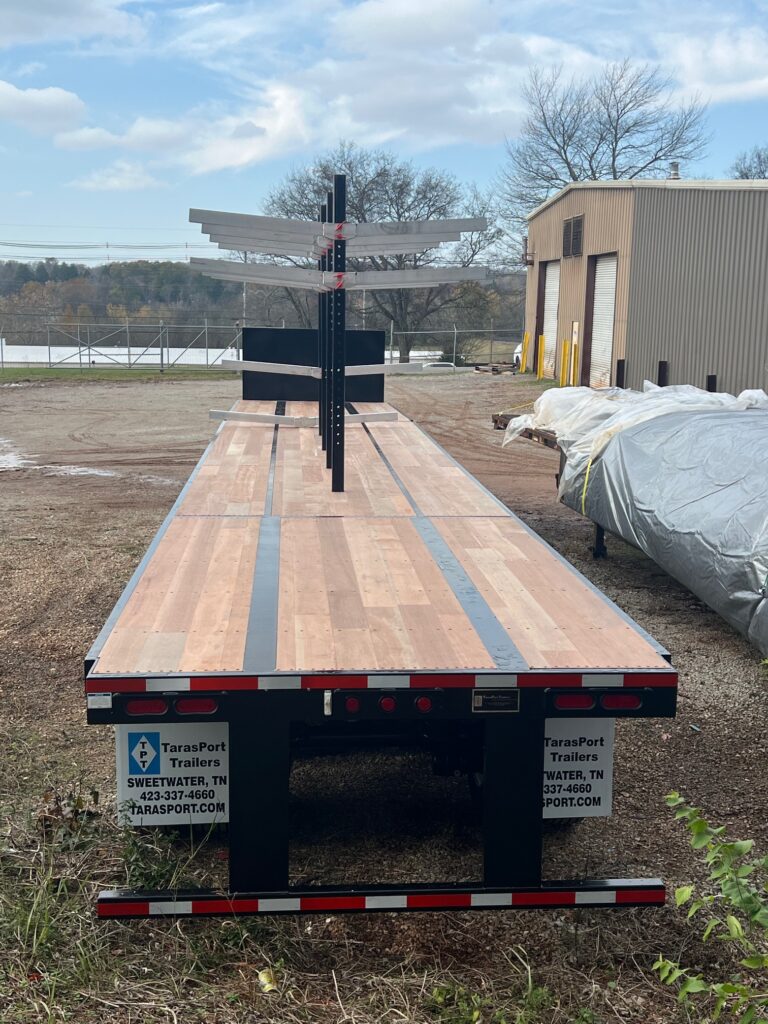
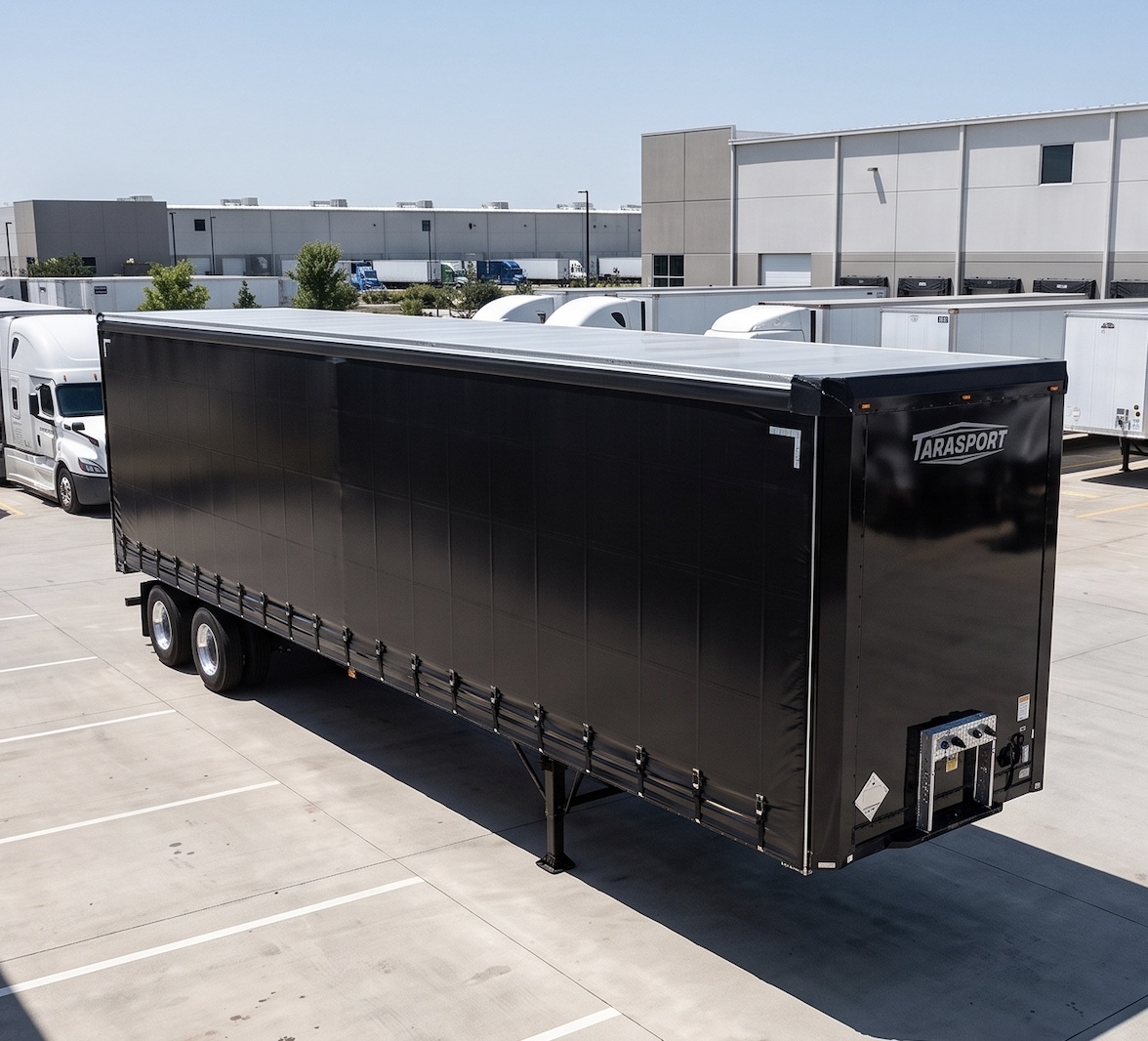
What is a Conestoga trailer? A Conestoga trailer is a flatbed equipped with a retractable tarp system supported by a rolling frame. Its name comes from the historic Conestoga wagon, which used a curved canvas cover with a similar appearance.
Instead of solid trailer walls, the tarp slides along rails mounted to the trailer frame. This allows the entire cover to open from either end or along the sides, depending on the design.
This system combines the advantages of both flatbed and enclosed trailers. Cargo remains protected from rain, snow, and road debris while loading and unloading remain quick and convenient. Forklifts and cranes can access cargo from the top, sides, or rear without requiring operators to remove heavy tarps by hand.
How a Conestoga Trailer Differs From Other Trailers
Compared to a standard flatbed trailer, the biggest difference is weather protection. A flatbed leaves cargo exposed unless it is manually tarped, which takes time and does not always provide a fully secure seal. A conestoga trailer’s rolling tarp system covers cargo automatically and can be opened or closed in minutes.
Compared to a dry van or enclosed trailer, the advantage shifts toward loading flexibility. Conestoga trailers maintain full side and top access. This makes them ideal for oversized or irregularly shaped cargo that cannot be loaded through rear doors alone.
A step deck trailer addresses height clearance, while a conestoga trailer addresses weather protection and loading flexibility. Some operations use both configurations depending on the cargo type and route conditions for a given haul.
Key Benefits of Conestoga Trailers
Businesses that add Conestoga trailers to their fleets often experience several important advantages.
Weather protection is one of the biggest benefits. Building materials, machinery, paper products, packaged goods, and other moisture-sensitive cargo remain protected throughout transportation without repeated manual tarping.
Loading efficiency also improves significantly. Since the tarp rolls open instead of being removed manually, loading and unloading require less time. This helps improve turnaround at warehouses, job sites, and distribution centers.
Cargo security increases as well. When the tarp system is closed, it limits visibility into the trailer and helps discourage theft or tampering, particularly during overnight parking or multi-stop delivery routes.
Versatility is another reason many operators choose this design. A Conestoga trailer can haul many of the same types of freight as a standard flatbed, including machinery, palletized freight, and construction materials, while adding valuable protection from the weather.
Industries that Benefit From Conestoga Trailers
Conestoga trailers have become popular across several industries where weather exposure and loading speed both matter.
Construction companies use them to transport building materials that cannot get wet, such as drywall, insulation, and finished lumber. Manufacturing businesses rely on conestoga trailers to move sensitive equipment and components between facilities without exposure risk. Agricultural operations sometimes use conestoga configurations for equipment transport, particularly when paired with sprayer buggy trailers or other specialized agricultural implements that require protection during transit.
Retail and distribution businesses also favor conestoga trailers for moving packaged goods that need to stay dry and secure across multiple delivery stops in a single route.
Maintenance Considerations for Conestoga Trailers
Like any specialized trailer, a conestoga requires some additional maintenance considerations compared to a standard flatbed.
The tarp and rolling frame system should be inspected regularly for wear, particularly at the rail tracks and roller mechanisms, since these components see frequent use during loading and unloading. Tarp material should also be checked periodically for tears or seal issues that could compromise weather protection over time.
Choosing a well-engineered conestoga system from the start reduces long term maintenance demands significantly. This is one of the reasons custom manufacturing matters. A trailer built with quality materials and proper mechanical tolerances will hold up better under repeated daily use than a mass-produced unit designed for general purpose hauling.
Is a Conestoga Trailer Right for Your Fleet?
Deciding whether a conestoga trailer fits your operation comes down to a few key questions. Does your cargo need protection from weather or road debris during transport? Would faster loading and unloading meaningfully improve your route efficiency? Are you currently spending significant time manually tarping flatbed loads at each stop?
If the answer to any of these is yes, a conestoga configuration is worth serious consideration. At TarasPort Trailers, we design custom conestoga builds around your specific cargo dimensions, route conditions, and operational workflow rather than offering one size fits all solutions. Explore our full lineup of trailer solutions to see how a conestoga configuration compares to our other builds.
Ready to talk specifications? Request a quote and our team will help determine whether a conestoga trailer is the right fit for your next haul.
FAQs
What is a conestoga trailer used for?
A conestoga trailer is used to haul cargo that needs weather protection while still allowing the fast, flexible loading access of a standard flatbed.
How does a conestoga trailer tarp system work?
The tarp is mounted to a rolling frame that slides along rails on the trailer, allowing it to open or close from either end or the sides in minutes.
Is a conestoga trailer better than a flatbed?
Neither is universally better. A conestoga trailer adds weather protection and security that a standard flatbed lacks, but a flatbed remains simpler for cargo with no weather sensitivity.
Can a conestoga trailer be loaded from the top?
Yes. Most conestoga systems allow loading from the top, sides, or ends, giving operators significantly more flexibility than a fully enclosed box trailer.
What industries use conestoga trailers most often?
Construction, manufacturing, agriculture, and distribution businesses commonly use conestoga trailers to protect weather sensitive cargo during transport.