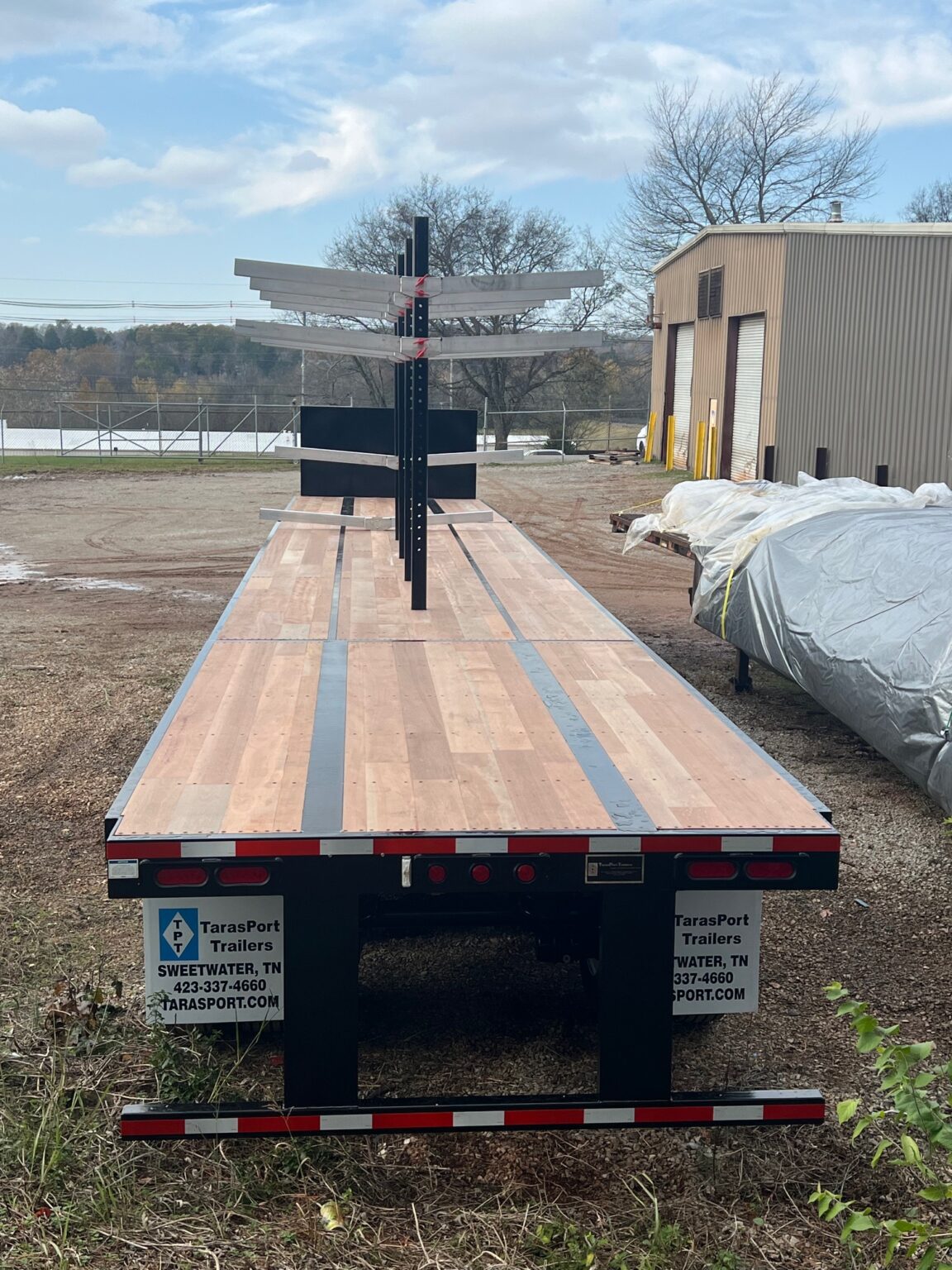
Quick Summary
Trailer pricing depends on several factors, including material selection, trailer size, axle configuration, deck style, and any custom features needed for the intended application. Steel generally has a lower upfront cost, while aluminum reduces weight and can lower long-term fuel expenses. Standard trailers are usually more affordable and readily available, while custom trailers require a larger initial investment but are designed around specific operational needs, often delivering better long-term value through improved efficiency and reduced maintenance. The best way to answer How much does it cost to build a trailer? is to discuss your cargo, weight requirements, and desired features directly with a manufacturer, since every trailer is built around a unique combination of specifications.
Anyone shopping for new equipment eventually asks the same question: how much does it cost to build a trailer? The honest answer is that it depends on several variables, and anyone who gives you a single flat number without asking about your specific needs is probably not giving you the full picture.
We walk customers through these factors every day, because understanding what drives cost helps you make a smarter investment.
This guide breaks down the major factors that influence trailer pricing, so you know what to expect before you request a quote.
Why Trailer Costs Vary So Much
A basic utility trailer and a custom generator trailer built for mobile power applications are not remotely comparable in price, and that is because cost is driven by far more than just size. Material selection, axle configuration, deck type, electrical or hydraulic systems, and intended use all factor into the final number.
Standard production trailers are generally less expensive because they are built in volume using common specifications. Custom trailers cost more upfront because they are engineered around the exact dimensions, weight, and operational demands of your cargo.
In many cases, that additional investment reduces long-term maintenance expenses and replacement costs.
Major Factors that Affect Trailer Cost
Material selection has one of the greatest impacts on pricing. Steel trailers usually cost less initially while delivering outstanding durability for heavy-duty hauling. Aluminum trailers require a larger upfront investment but weigh less, helping improve fuel efficiency and payload capacity throughout the trailer’s service life.
Trailer size and length also affect cost. Larger trailers require more steel or aluminum, additional fabrication time, and often heavier-duty axles and suspension systems capable of handling increased weight and length.
Axle configuration plays an important role in both cost and hauling capacity. Single-axle trailers are typically the most economical option. Tandem and multi-axle configurations increase the purchase price while delivering greater stability and higher weight capacity for demanding applications.
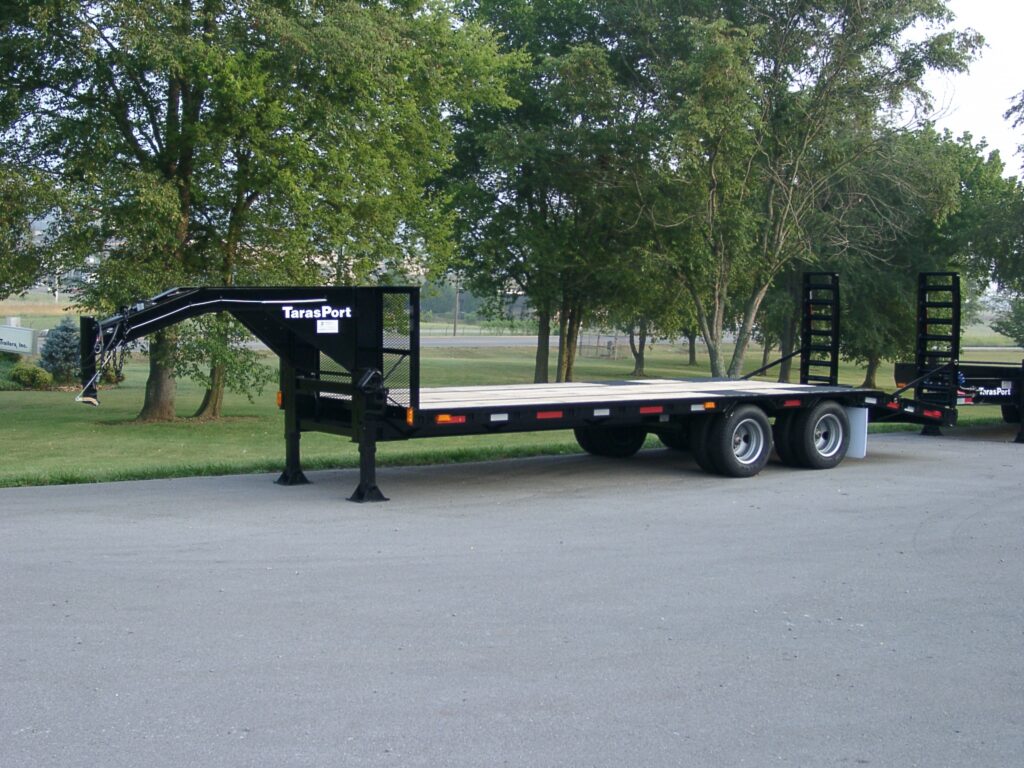
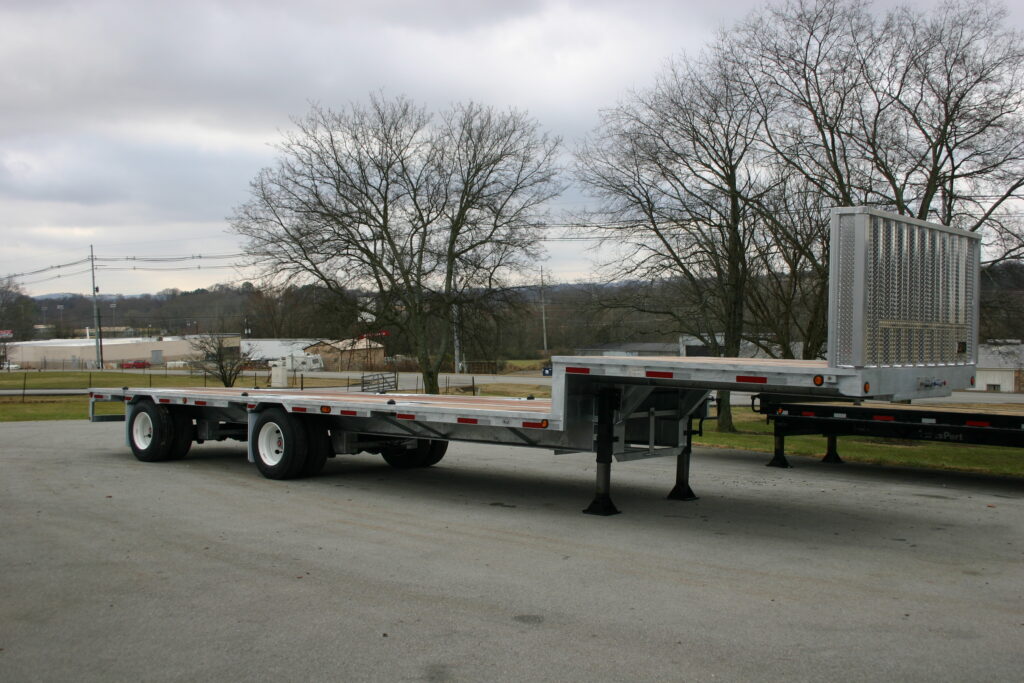
Deck type influences cost as well. A standard flatbed deck is generally less expensive to build than a step deck or specialized configuration that requires additional engineering for clearance or load balance.
Custom features add cost but often deliver strong returns. Reinforced flooring, hydraulic ramps, specialized tie down systems, electrical components for equipment trailers, and other application specific features all factor into the final price, but they are typically the features that make a trailer genuinely useful for your operation rather than a generic fit.
Regulatory compliance requirements, including lighting, braking systems, and safety features mandated by federal and state law, are non-negotiable cost factors that apply regardless of trailer type.
Standard Trailers Versus Custom Builds
Understanding the difference between a standard trailer and a custom build helps put pricing into perspective.
Standard trailers typically cost less and are available sooner because they do not require custom engineering or design work. They are well suited for general-purpose hauling where specialized specifications are unnecessary.
Custom trailers cost more and take longer to produce, but they are built around your actual operational needs rather than a generic template. For businesses that haul specialized cargo, such as agricultural implements, auto transport loads, or oversized equipment, the upfront investment in a custom build often pays for itself through improved efficiency, reduced downtime, and a longer service life.
At TarasPort Trailers, every custom trailer is engineered around your exact specifications. Whether you manage a national fleet, operate an independent business, or handle military logistics, each detail, from axle placement to material selection, is designed to match your operation and maximize long-term value.
How to Get an Accurate Trailer Cost Estimate
Because so many variables affect trailer pricing, the most reliable way to get an accurate number is to talk directly with a manufacturer about your specific needs.
Before reaching out, it helps to have a general sense of your cargo type and weight, preferred material, required deck configuration, and any specialized features your operation depends on, such as those needed for mobile power trailers or other application specific equipment.
Our team works closely with fleet managers, business owners, and military logistics professionals to identify the right trailer specifications before preparing a detailed estimate. This process helps prevent the common mistake of pricing a trailer that does not actually meet the customer’s operational requirements.
To learn more about how we approach custom builds and understand our history and manufacturing process.
Getting Started With TarasPort Trailers
Since 1988, TarasPort Trailers has built more than 4,000 trailers for fleets, individual operators, and military applications across more than 30 states. We move fast, communicate clearly, and price competitively, which is why so many of our clients return for future projects.
If you are ready to get an accurate cost estimate for your next trailer, request a quote today and our team will walk you through the specifications and pricing that fit your operation.
FAQs
How much does it cost to build a trailer on average?
Trailer cost varies widely based on material, size, axle configuration, and custom features, which is why an accurate estimate requires discussing your specific operational needs directly with a manufacturer.
Is a custom trailer more expensive than a standard trailer?
Yes. Custom trailers generally cost more upfront because they are designed around your exact cargo and workflow. That investment often reduces long-term maintenance expenses and replacement costs.
Does material choice significantly affect trailer cost?
Yes. Steel trailers generally cost less upfront, while aluminum trailers cost more initially but weigh less, which can improve fuel efficiency and payload capacity over time.
What custom features add the most cost to a trailer?
Reinforced flooring, hydraulic systems, specialized tie down configurations, and electrical components for equipment specific trailers tend to add the most cost, but they also add the most operational value.
How long does it take to build a custom trailer?
Custom trailer build times vary based on specifications and current production schedules, so it is best to discuss timelines directly with your manufacturer when requesting a quote.