Quick Summary
A gooseneck trailer connects to a towing vehicle through a bed-mounted hitch located near the rear axle, creating better stability, improved weight distribution, and greater towing capacity than a traditional bumper pull trailer. This design makes gooseneck trailers a preferred choice for hauling heavy equipment, livestock, and industrial cargo across construction, agriculture, military, and commercial industries. Compared to bumper pull and fifth wheel trailers, a gooseneck delivers a tighter turning radius and a stronger towing connection. Custom configurations with the right deck length, axle placement, and weight capacity help match the trailer to the specific cargo and daily demands of each operation.
If you have shopped for heavy duty towing equipment, you have likely come across the term gooseneck. But what is a gooseneck trailer, and why do so many fleet managers and equipment haulers prefer this configuration over standard bumper pull models?
This guide covers everything you need to know, from how the hitch system works to which applications benefit most from a gooseneck design.
We build custom gooseneck trailer configurations for fleets, independent operators, and specialized applications that demand more stability and towing capacity than a standard hitch can provide.
What is a Gooseneck Trailer?
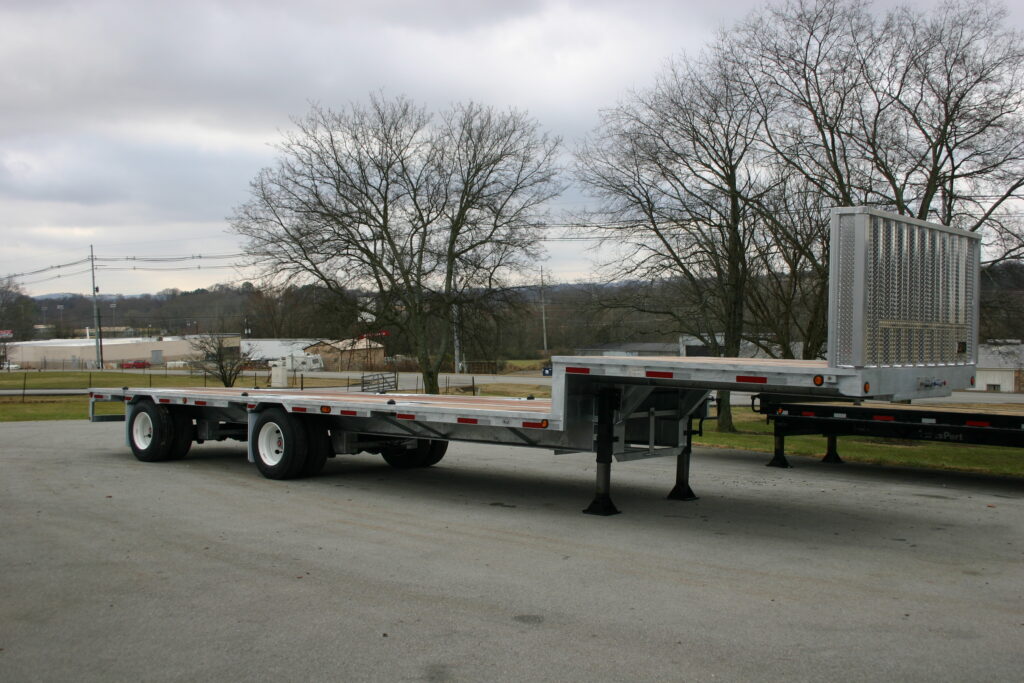
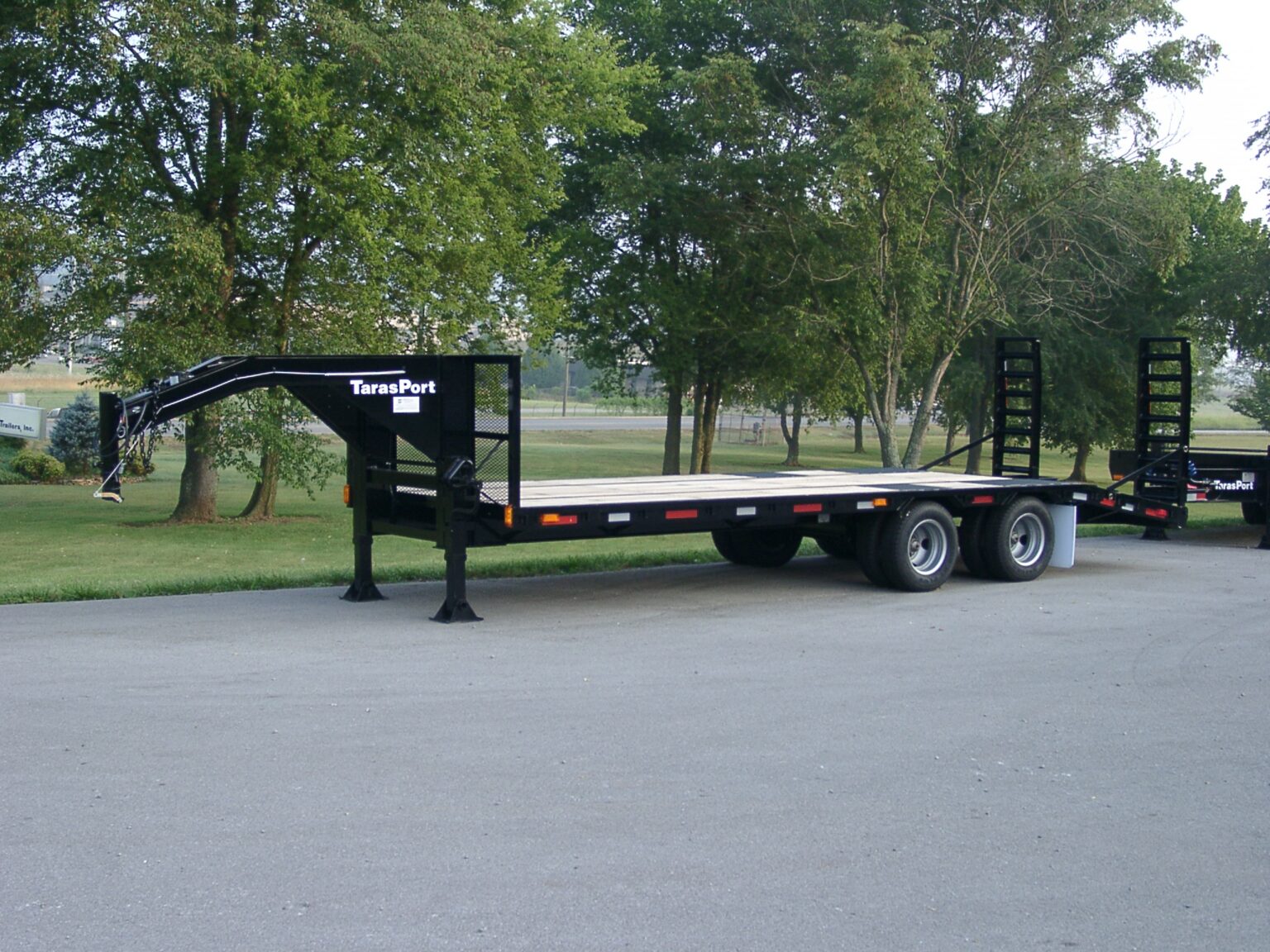
A gooseneck trailer connects to a pickup truck through a hitch mounted inside the truck bed instead of attaching to the rear bumper. The trailer’s front section curves upward and forward to reach the hitch, giving it the distinctive shape that inspired the name.
Positioning the hitch directly above or close to the truck’s rear axle changes how weight is distributed throughout the towing setup.
Compared to a bumper pull trailer, this design creates a much more stable connection, especially when transporting heavy loads, navigating tight turns, or traveling long distances.
How a Gooseneck Trailer Differs From a Bumper Pull Trailer
The biggest difference between a gooseneck trailer and a bumper pull trailer is the location of the hitch and how weight is transferred to the tow vehicle.
A bumper pull trailer attaches behind the vehicle, placing greater leverage on the hitch during acceleration, braking, and turning. This setup can increase trailer sway, particularly when hauling heavier loads or traveling at highway speeds. A gooseneck trailer connects over the truck’s rear axle, distributing weight more evenly and significantly reducing sway.
Towing capacity is another major advantage. Gooseneck trailers are designed to handle substantially heavier loads because the hitch creates a stronger connection while transferring weight more efficiently to the tow vehicle. This is one of the primary reasons they are widely used for transporting heavy machinery, livestock, and industrial equipment.
Maneuverability is also improved. Since the hitch is positioned closer to the rear axle, gooseneck trailers typically achieve a tighter turning radius than bumper pull trailers of similar size. This makes them easier to handle in construction sites, loading docks, and confined work areas.
Common Uses for Gooseneck Trailers
Gooseneck trailers are used across a wide range of industries because of their strength, stability, and towing capacity.
Construction companies rely on gooseneck configurations to haul heavy machinery, including excavators, skid steers, and other equipment that exceeds what a standard bumper pull trailer could safely tow. Agricultural operations use gooseneck trailers for hauling tractors, sprayer buggies, and other large farm equipment between fields and storage facilities.
Livestock transporters often choose gooseneck trailers because the added stability creates a smoother ride, helping reduce stress on animals during long-distance travel or over uneven terrain. Auto transport companies and specialty haulers also depend on gooseneck trailers when moving multiple vehicles or equipment that requires a stronger towing connection.
Military and industrial logistics operations frequently specify gooseneck trailers for mobile substation transport and other heavy, specialized equipment that demands maximum towing stability.
Key Benefits of a Gooseneck Trailer
Beyond higher towing capacity, gooseneck trailers deliver several practical advantages.
Improved stability is one of the most valuable benefits. Since the hitch sits above the truck’s rear axle instead of behind the vehicle, trailer sway is greatly reduced, resulting in better control during highway travel and when hauling uneven or heavy cargo.
Greater weight capacity makes gooseneck trailers an excellent choice for businesses that routinely move heavy equipment. Many models can safely haul significantly more weight than comparable bumper pull trailers, reducing the number of trips required.
A tighter turning radius improves maneuverability in confined spaces, making loading yards, job sites, and storage facilities easier to navigate.
Versatility rounds out the benefits, since gooseneck configurations are available across a wide range of trailer types, including flatbeds, equipment trailers, and specialized industrial units, making it possible to match the gooseneck hitch design to nearly any hauling application.
What You Need to Tow a Gooseneck Trailer
Towing a gooseneck trailer requires a pickup truck equipped with a bed-mounted gooseneck hitch positioned above or near the rear axle. Most setups also require a heavy-duty truck with sufficient towing and payload capacity to safely handle the trailer’s fully loaded weight.
Payload capacity deserves just as much attention as towing capacity. Since the trailer’s tongue weight rests directly in the truck bed, the truck must be capable of carrying that weight safely while maintaining proper vehicle balance.
Gooseneck Versus Fifth Wheel Trailers
Gooseneck trailers are often confused with fifth wheel trailers because both connect through a bed-mounted hitch. However, they serve different purposes and use different hitch designs.
A gooseneck trailer connects with a ball-and-coupler system commonly used for commercial, agricultural, industrial, and heavy-duty hauling. A fifth wheel trailer uses a kingpin and hitch plate, a design more commonly associated with recreational vehicles.
For commercial hauling, construction, agriculture, military logistics, and industrial transportation, gooseneck trailers remain the preferred choice because of their strength, durability, and compatibility with heavy-duty equipment.
Choosing the Right Gooseneck Trailer for Your Needs
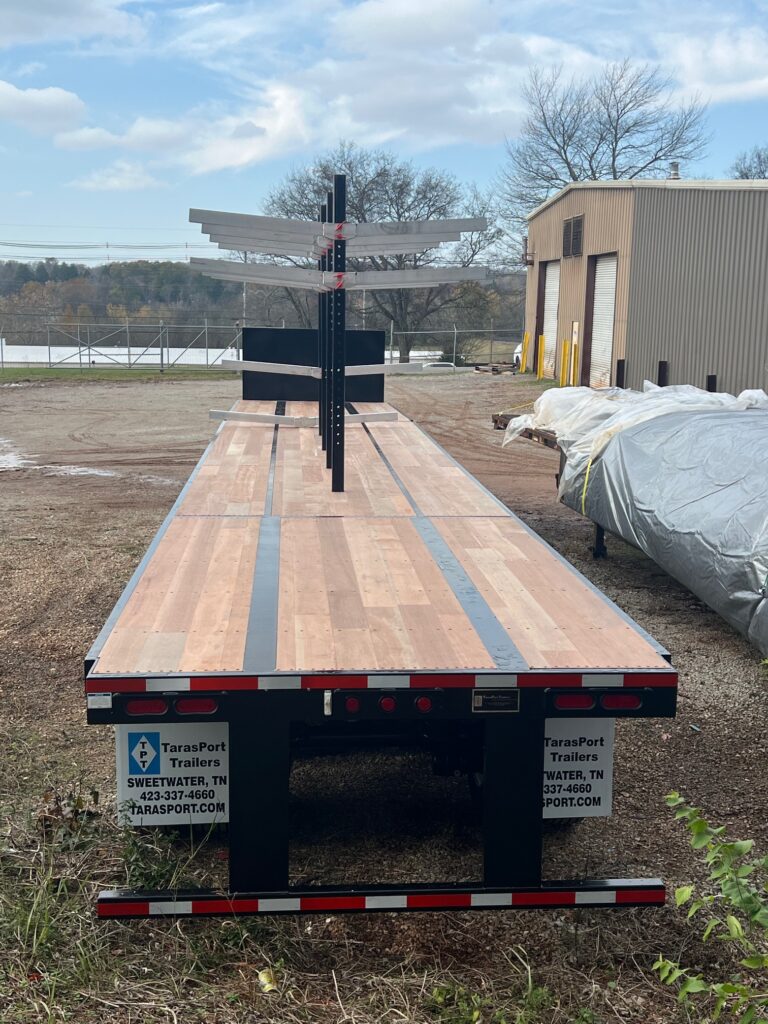
Not every gooseneck trailer is built the same way, and selecting the right configuration depends on your specific cargo, weight requirements, and operational workflow. Deck length, axle configuration, ramp style, and overall weight capacity should all be tailored to the equipment you plan to haul regularly.
At TarasPort Trailers, we do not just sell standard inventory. We engineer custom gooseneck solutions built around your exact specifications, whether you manage a national fleet, operate independently, or support military logistics. Every detail, from axle placement to material selection, is tailored to your operational requirements, which results in less downtime and a stronger return on investment.
Explore our full range of trailer solutions to see how our gooseneck configurations compare across different applications, or learn more about our approach to custom manufacturing.
Ready to discuss specifications for your next gooseneck trailer? Request a quote today and our team will help you determine the right configuration for your operation.
FAQs
What is a gooseneck trailer used for?
A gooseneck trailer is used to haul heavy equipment, livestock, and large industrial cargo that requires more towing stability and capacity than a standard bumper pull trailer can provide.
How is a gooseneck trailer different from a bumper pull trailer?
A gooseneck trailer hitches in the bed of the towing vehicle near the rear axle, offering better weight distribution, stability, and towing capacity compared to a rear bumper hitch connection.
What kind of truck do I need to tow a gooseneck trailer?
Most gooseneck trailers require a heavy duty pickup truck equipped with a bed mounted gooseneck hitch and sufficient payload capacity to support the trailer’s tongue weight.
Is a gooseneck trailer the same as a fifth wheel trailer?
No. Both use a bed mounted hitch, but gooseneck trailers use a ball and coupler connection while fifth wheel trailers use a kingpin and plate system typically found on recreational vehicles.
Can gooseneck trailers be customized for specific cargo?
Yes. Deck length, axle configuration, and weight capacity can all be customized to match the specific equipment or cargo your operation regularly hauls.