Quick Summary
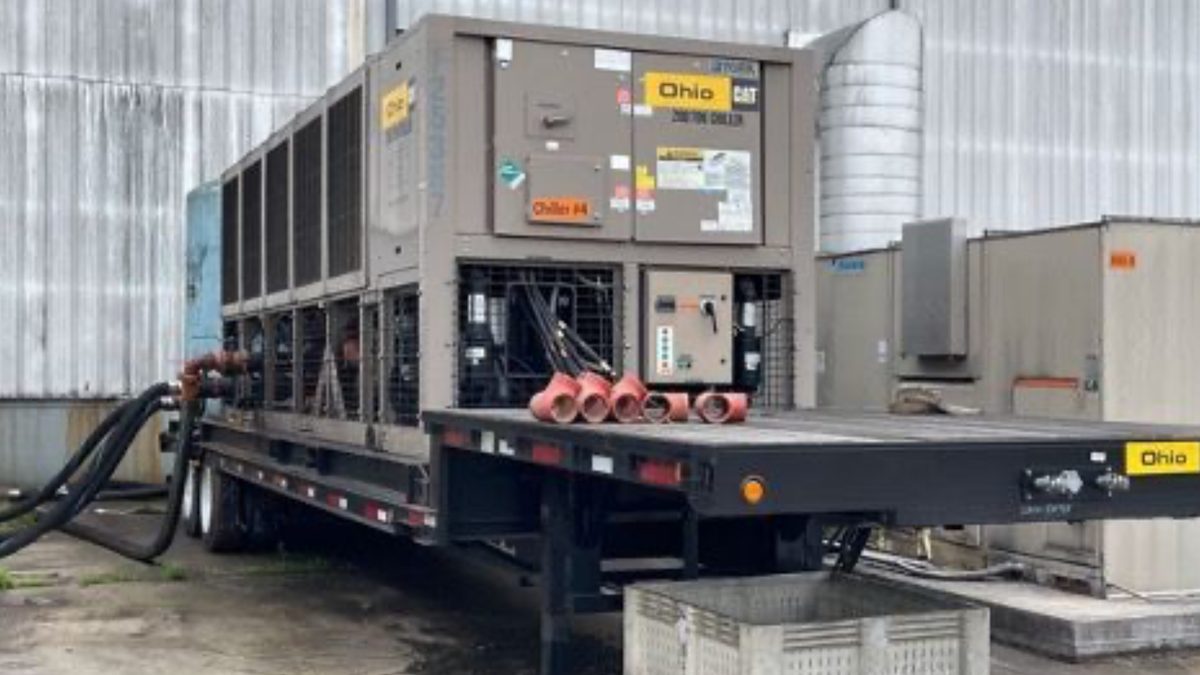
Load bank trailers simulate an electrical load so technicians can test generators, UPS systems, and backup power setups without connecting them to a live building circuit. Field testing with a mobile load bank reveals problems like voltage instability or fuel delivery issues before a generator gets relied on during an actual outage. Rental and purchase both serve a place in this work, with the right choice depending on how often a fleet or service company runs tests.
A load bank trailer gives technicians a practical way to verify that generators, UPS systems, and emergency power installations can handle their intended electrical loads before an outage puts them to the test. Data centers, generator service providers, industrial facilities, and fleet operators use load bank testing to evaluate equipment performance under controlled conditions.
The right trailer configuration depends on the types of systems being tested, the electrical capacity required, and how frequently the equipment travels between job sites.
Generator Acceptance Testing
Before a newly installed generator enters service, technicians need to verify that it can perform under the electrical demand specified for the application. A load bank trailer supplies a controlled artificial load, allowing technicians to operate the generator at selected load levels and assess voltage regulation, frequency stability, fuel consumption, and overall performance during an extended run.
Testing under load can reveal problems that a basic startup cannot identify. Cooling limitations, exhaust restrictions, inadequate fuel delivery, and poor governor response may become apparent only when the generator operates under sustained or changing demand. Identifying these issues before commissioning reduces the risk of discovering performance deficiencies during an emergency.
A mobile load bank also brings testing equipment directly to the generator’s installation site. Technicians can evaluate the system in its intended operating environment without transporting the generator to a separate testing facility. For contractors responsible for multiple installations, this approach can simplify logistics and reduce disruptions during commissioning.
UPS and Data Center Backup Testing
Data centers and other facilities that depend on uninterruptible power supply systems need to verify that their backup infrastructure performs as expected when utility power becomes unavailable. Testing may involve UPS equipment, batteries, standby generators, and associated power distribution components. A load bank helps technicians apply a controlled electrical demand and evaluate system behavior under defined operating conditions.
A mobile unit brings the necessary testing equipment to the facility, where technicians can connect it according to the system design and approved test procedure. This approach reduces the need to rely on actual building loads as the sole means of evaluating backup equipment and gives technicians greater control over the test conditions.
Scheduled testing often forms part of preventive maintenance programs, commissioning plans, and applicable compliance procedures. A properly configured load bank trailer helps service providers transport equipment between facilities and complete planned tests within the available maintenance window.
Safety Considerations During Load Bank Testing
Load bank testing can generate substantial heat and draw significant electrical current, particularly when technicians operate a generator near its rated capacity.
Safe deployment requires suitable positioning, adequate ventilation, appropriate electrical connections, and grounding arrangements consistent with the equipment manufacturer’s instructions and the approved test plan.
Technicians must account for the heat released by resistive load elements when selecting the trailer’s location. Adequate clearance helps prevent hot exhaust air from recirculating into the equipment, damaging nearby materials, or exposing personnel to excessive temperatures. The setup must also maintain appropriate separation from combustible materials and other sensitive equipment.
Electrical connections require equally careful attention. Undersized cables, damaged insulation, loose terminals, and inadequate grounding can introduce serious hazards during testing. Before applying a load, qualified personnel should verify cable ratings, connection integrity, terminal tightness, and grounding continuity. They should continue monitoring the equipment throughout the test and follow the applicable procedures for isolating and de-energizing the system.
Personal protective equipment is another essential consideration. Depending on the test environment, technicians may need hearing protection, appropriate gloves, eye protection, and other equipment specified by the site safety plan. Clearly marked exclusion zones and controlled access around hot surfaces and energized components help reduce exposure risks during extended testing and commissioning work.
Choosing the Right Capacity Range for a Load Bank Trailer
A load bank trailer sized too small for a testing operation’s largest jobs forces technicians to run multiple units in parallel or turn away work that exceeds the trailer’s rated capacity. Sizing too large wastes deck space and adds unnecessary weight for the smaller, more frequent jobs that make up most of a testing schedule.
A capacity range that covers a company’s typical job size with some margin for the occasional larger test strikes a better balance than chasing the highest rated capacity available. Reviewing a year or two of past testing jobs gives a realistic picture of what range gets used most often, which keeps the purchase decision grounded in real demand instead of a worst-case estimate.
Modular load bank setups offer a middle path for companies unsure which capacity range fits best. Adding or removing load bank sections lets a single trailer cover a wider span of job sizes without committing to one fixed rated capacity from the start.
Standby Power Commissioning on New Installations
Commissioning a new standby power system typically involves a sequence like:
- A baseline no-load startup to confirm basic function
- Progressive load bank testing from partial to full rated capacity
- Transfer switch testing under live load conditions
- A documented report covering voltage, frequency, and run time
A load bank trailer built for this sequence needs enough capacity range to cover a facility’s full load profile, along with cabling and connection hardware that works across different generator and switchgear configurations.
Renting a Load Bank Trailer vs. Buying One
A company that runs occasional acceptance tests, maybe a handful of times a year, usually comes out ahead renting a load bank trailer rather than carrying one on the books full time. Rental also makes sense for one-off commissioning jobs or when a project calls for a capacity range outside a company’s owned equipment.
Service companies and fleets running regular testing schedules see a different calculation. A purchased load bank trailer spec’d to the capacity range a company tests most often removes rental scheduling delays and keeps testing equipment available on short notice, which counts for a lot when a client’s compliance deadline leaves no room for a rental unit to be unavailable.
A hybrid approach also works for some companies: owning a mid-range unit for routine jobs while renting additional capacity for the occasional large commissioning project. This keeps fixed costs lower than owning the largest unit a company might ever need, while still avoiding a rental search for most of the work that comes in.
Custom Load Bank Trailers from TarasPort
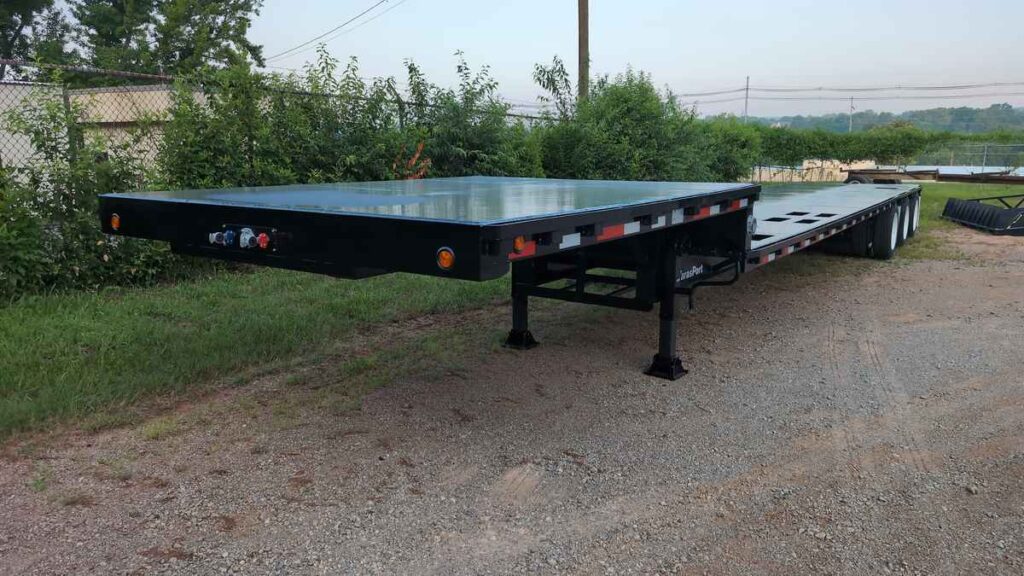
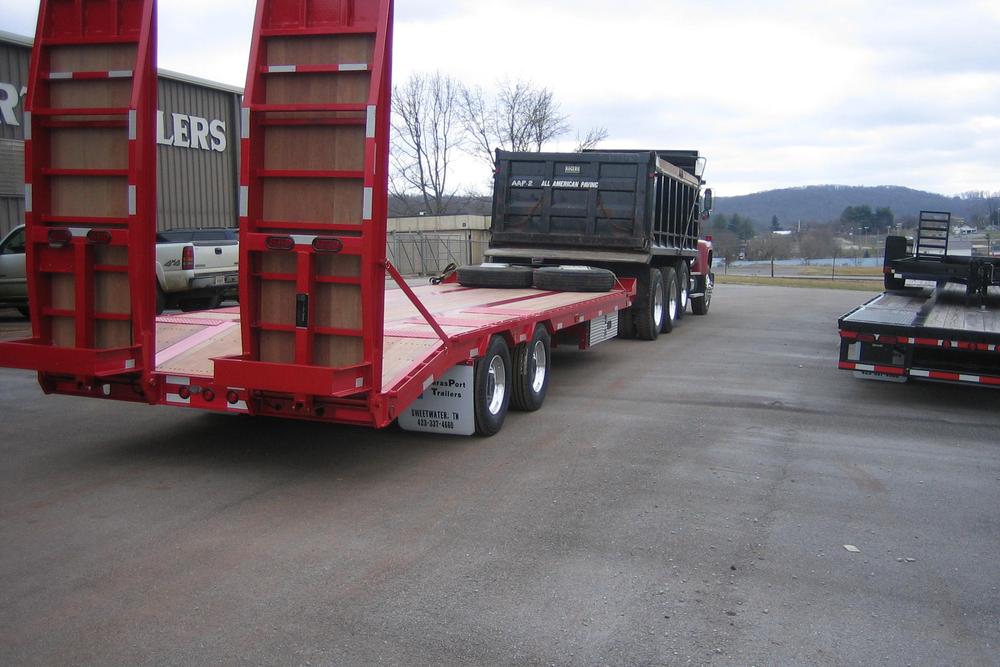
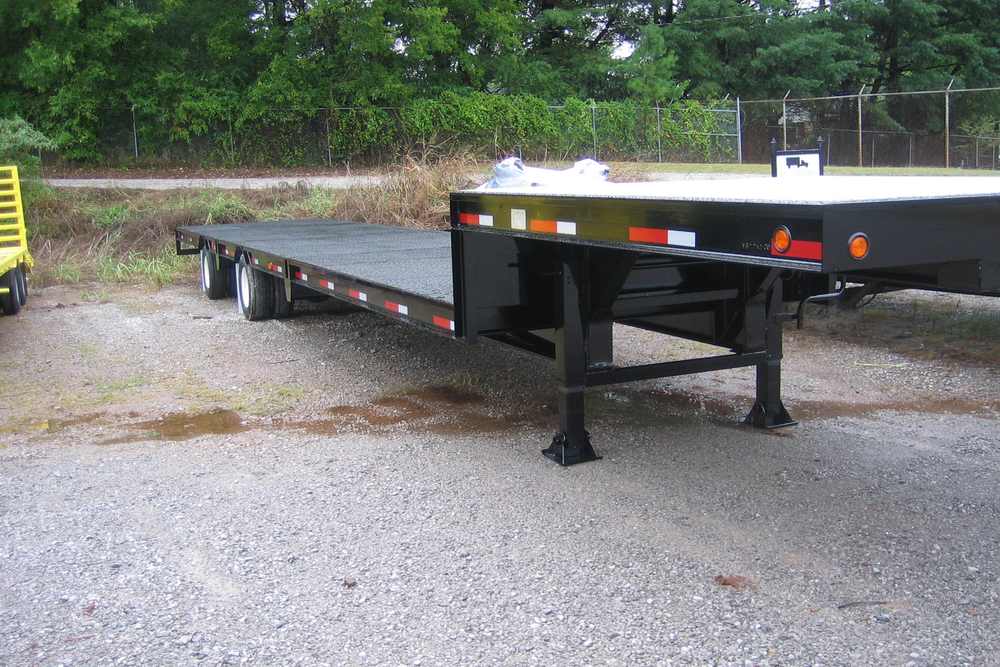
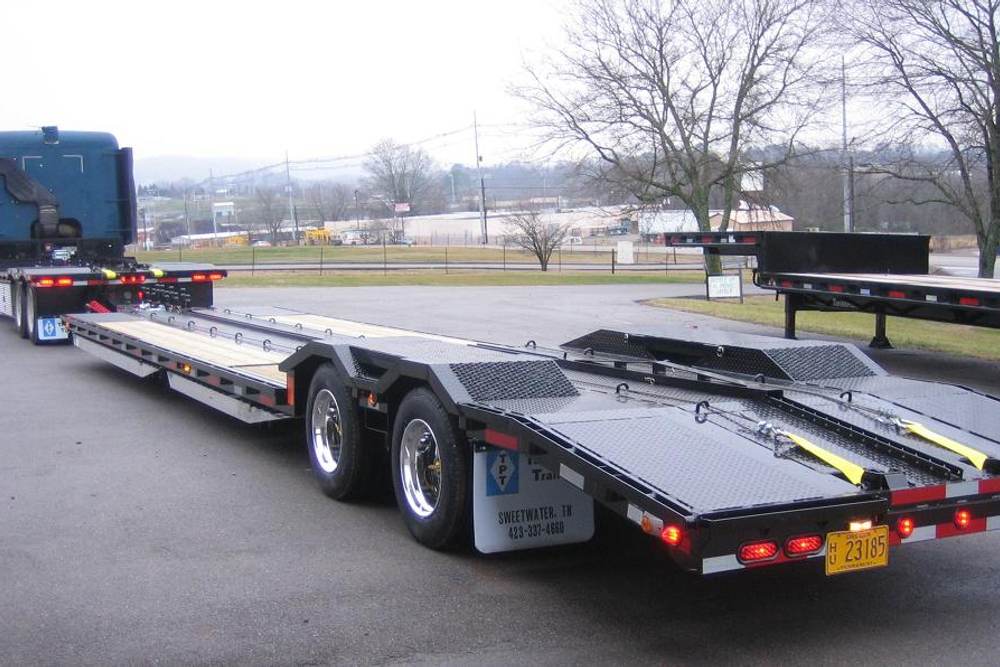
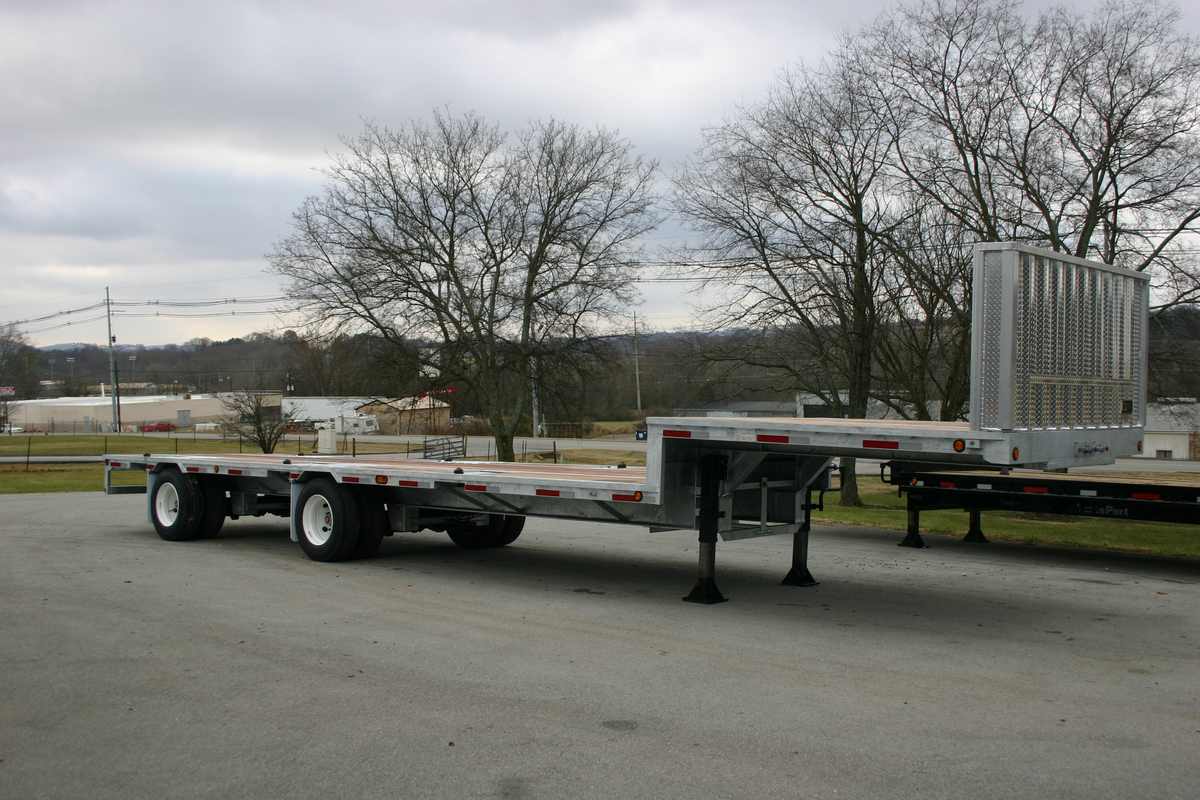
At TarasPort Trailers, we build load bank trailers spec’d to the capacity range, cabling configuration, and deck layout a testing operation runs most often, instead of a generic platform retrofitted for the job. Reinforced decks, secure cable storage, and mounting points built around load bank equipment can be specified on every custom build, backed by over 37 years in business and more than 4,000 trailers built for operators across 30-plus states. Service companies and fleets can request a quote built around their testing equipment and schedule.
FAQs
What does a load bank trailer get used for?
A load bank trailer carries equipment that simulates an electrical load, used to test generators, UPS systems, and standby power setups under conditions close to a real outage without connecting to a live building circuit.
Should a company rent or buy a load bank trailer?
Occasional testing, a handful of times a year, usually favors renting. Companies running regular testing schedules tend to benefit more from a purchased unit spec’d to their typical capacity range, since it removes rental scheduling delays.
What should a load bank trailer deck be built to handle?
The deck should support secure cable storage, mounting points for load bank equipment, and reinforcement sized for the equipment’s weight, with a capacity range wide enough to cover a testing operation’s full load profile.