Quick Summary
Semi-trailers typically range from 28 to 53 feet in length, with 53-foot trailers serving as the industry standard for long-haul freight because of their cargo capacity and compliance with federal bridge regulations. Shorter pup trailers are commonly used in doubles configurations, while flatbeds and step deck trailers vary depending on cargo requirements and clearance needs. Trailer length influences weight distribution, legal compliance, maneuverability, and overall hauling performance, making it an important consideration for fleet managers and owner-operators. When standard dimensions are not suitable, custom-engineered trailers can be designed around actual cargo sizes and route requirements instead of relying on standard measurements.
If you have ever pulled up next to one on the highway, you already know a semi-trailer is not exactly small. But how long are semi trailers, exactly, and does that length ever change depending on the job?
These are common questions among fleet managers, owner operators, and anyone new to trucking who wants to understand how cargo actually gets moved across the country.
The simple answer is that most semi-trailers fall within a well-established size range. However, the exact length matters more than many people realize. Trailer length affects everything from legal hauling limits to maneuverability at loading docks, interstate ramps, and confined work sites.
At TarasPort Trailers, we build trailers to these specifications every day, giving us firsthand experience with how trailer length affects real-world performance.
Standard Semi-Trailer Lengths
The trucking industry generally follows several common trailer lengths, although exact dimensions can vary depending on trailer type and state regulations.
A 53-foot trailer is the most common size seen on today’s highways. It has become the industry standard for dry van and refrigerated trailers because it maximizes cargo capacity while complying with federal bridge formulas and most state transportation regulations.
Forty-eight-foot trailers were once the industry standard and remain widely used, particularly in older fleets or specialized applications where the additional five feet of a 53-foot trailer is unnecessary.
Trailers measuring 28 to 29 feet, commonly called pup trailers, are frequently used in doubles and triples configurations. Depending on the cargo and route, two shorter trailers can sometimes move more freight than a single longer trailer.
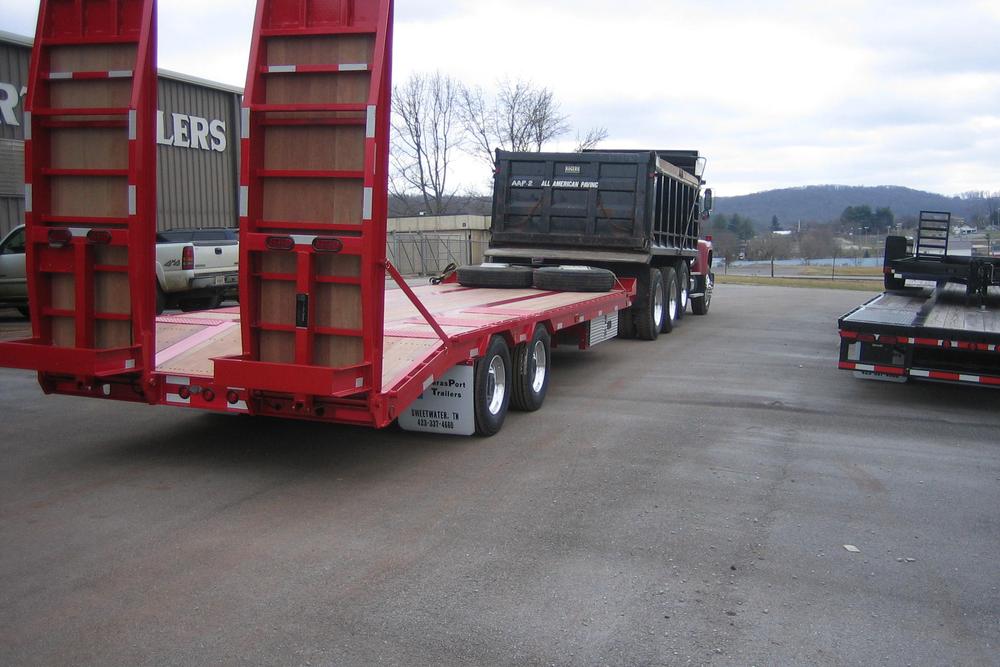
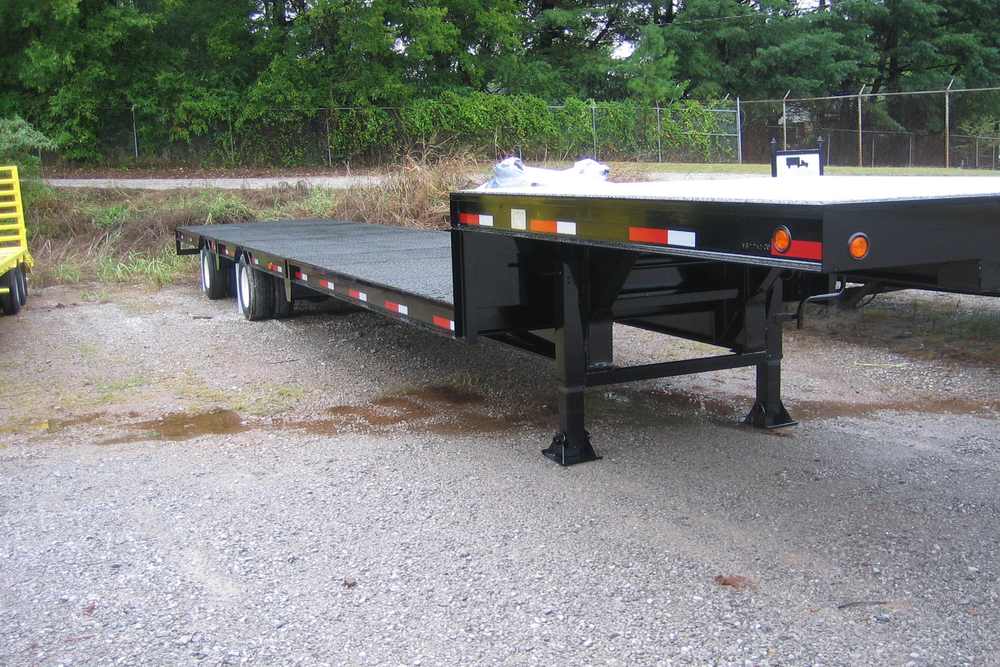
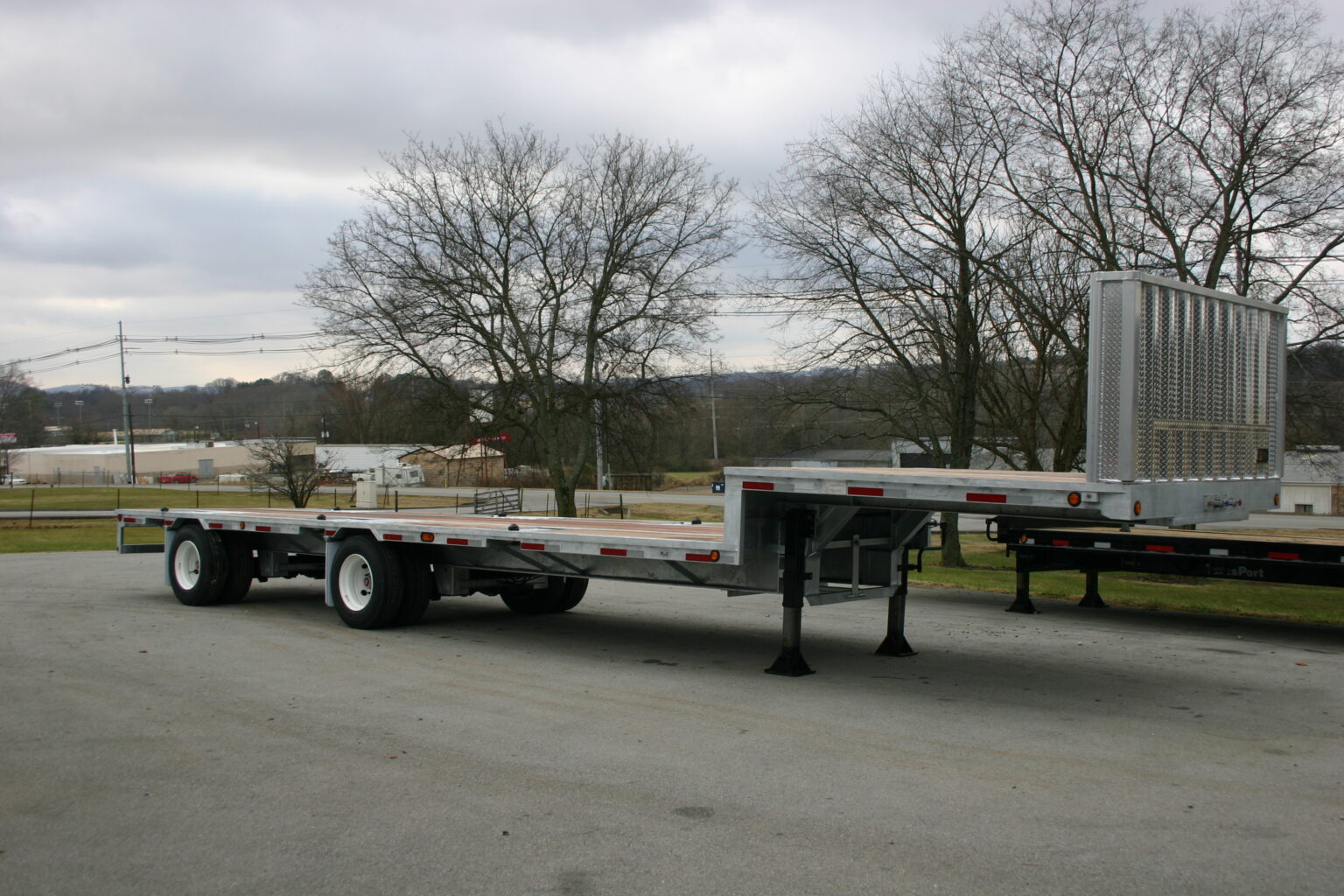
Beyond dry vans, length varies more widely. A flatbed trailer built for oversized equipment, construction materials, or machinery might range anywhere from 40 to 53 feet, with some specialized units extending well beyond that for particular hauling needs.
Why Semi-Trailer Length Matters
Trailer length is much more than a specification on paper. It directly affects daily operations.
Cargo capacity is the most obvious advantage. Longer trailers can transport more freight in a single trip, reducing transportation costs and improving efficiency. However, the longest trailer is not always the best option. Extra length can make maneuvering more difficult in urban delivery areas, warehouse facilities, and narrow rural roads.
Weight distribution becomes increasingly important as trailer length increases. Proper axle placement and balanced loading help reduce uneven tire wear, maintain braking performance, and prevent violations caused by exceeding axle weight limits.
Legal compliance is another important consideration. Federal regulations establish baseline trailer length standards, but individual states may impose additional restrictions, particularly on state highways and local roads. Companies operating across multiple states should select trailers that comply with the most restrictive routes they regularly travel.
Semi-Trailer Length by Application
Different industries favor different trailer lengths based on the cargo they transport.
Long-haul freight carriers generally rely on 53-foot trailers because they maximize efficiency on interstate routes. Regional carriers and local delivery companies often choose trailers between 28 and 45 feet since improved maneuverability is more valuable than maximum cargo volume.
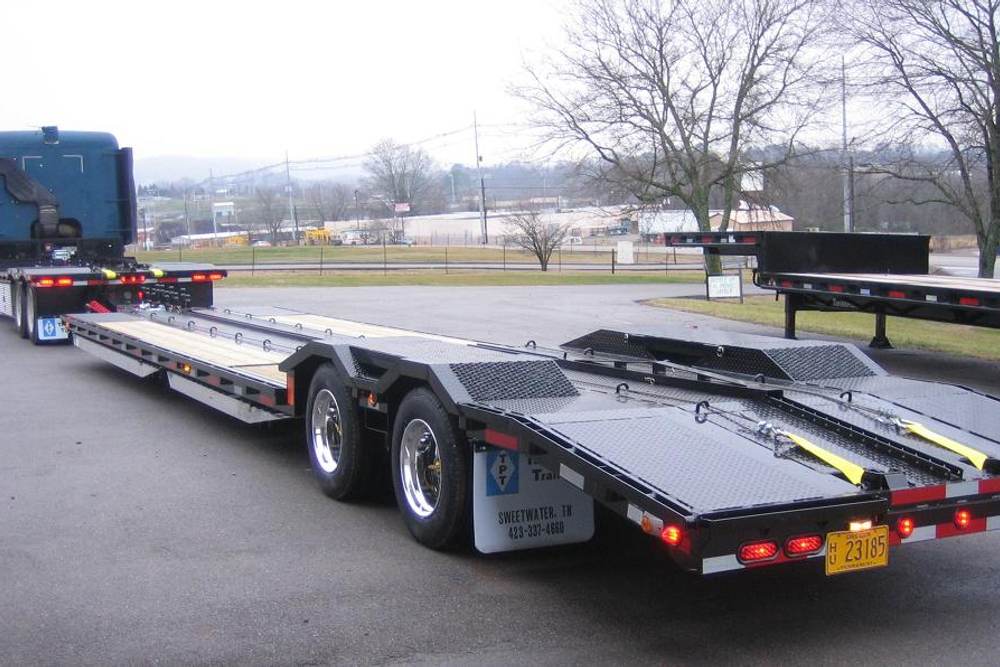
Heavy equipment and oversized cargo change the equation entirely. A step deck trailer is frequently chosen for taller loads because its lower deck height provides additional clearance, which can affect the practical usable length for certain cargo shapes even when the overall trailer length stays within standard ranges.
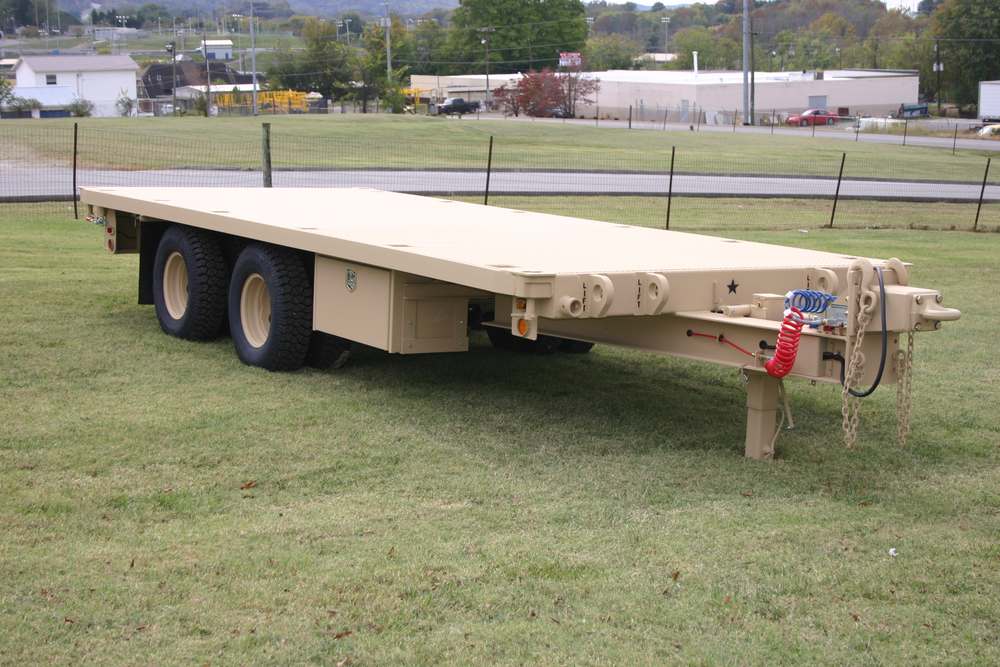
Military and government logistics operations may require entirely different length specifications based on mission requirements, which is one of the reasons custom trailer manufacturing has become so valuable across these sectors.
When Standard Lengths Do Not Fit the Job
Not every hauling need fits neatly into a standard length category. This is where custom engineering comes in.
At TarasPort Trailers, we build custom heavy duty trailers designed around the actual dimensions of the cargo, not the other way around. If your operation regularly moves equipment that does not fit standard trailer categories, a custom build can eliminate the guesswork, reduce the risk of compliance issues, and improve loading efficiency on every run.
Our team works closely with fleet managers, independent operators, and military logistics professionals to determine the ideal trailer length, deck configuration, and axle placement for each application. Every project begins with understanding operational requirements because trailers built around real workflows consistently perform better than generic production models.
Explore our full lineup of trailer solutions to see the range of configurations we build, from flatbeds to specialized heavy duty units.
Choosing the Right Length for Your Operation
Before deciding on a trailer size, consider a few important questions. How long are semi-trailers? The answer depends on what you plan to haul, where you travel, and how your operation functions every day.
Think about your average cargo dimensions and weight, the states and routes your trailers regularly travel, loading dock limitations, and whether the trailer will carry different types of freight throughout its service life.
Answering these questions often leads to a better decision than automatically choosing the longest available trailer. Selecting the right length improves safety, reduces wear on equipment, and can extend the trailer’s long-term service life.
If you are unsure which length or configuration fits your operation best, our team can walk through the details with you directly. Request a quote today and we will help you find a trailer built around the way you actually work.
FAQs
How long are semi-trailers on average?
Most semi-trailers on the road today measure either 48 or 53 feet, with 53 feet being the current industry standard for maximum cargo capacity on long haul routes.
What is the shortest legal semi-trailer length?
Pup trailers used in doubles and triples configurations typically run 28 to 29 feet, though minimum lengths can vary by state and trailer classification.
Do all states allow 53-foot trailers?
Most states permit 53-foot trailers on federal interstates, but restrictions can apply on certain state and local roads, so operators should verify requirements along their specific route.
Can trailer length be customized for specific cargo?
Yes. Custom trailer manufacturers can build units to precise length and deck specifications based on the cargo being hauled, rather than relying on standard industry sizes.
Does trailer length affect fuel efficiency?
Longer trailers can sometimes reduce fuel efficiency due to increased weight and drag, though modern aerodynamic designs help offset much of this difference.