Quick Summary
Choosing a steel vs. aluminum trailer depends on your hauling priorities and day-to-day operating needs. Steel offers a lower upfront cost, excellent impact resistance, and easier field repairs, making it a practical choice for transporting heavy equipment. Aluminum delivers lighter weight, better fuel efficiency, and superior corrosion resistance, making it ideal for long-haul freight and auto transport. The best decision should consider the trailer’s total lifetime cost rather than the initial purchase price alone, since fuel savings and maintenance expenses can significantly affect long-term value. Custom trailer designs, including hybrid material construction, also help operators balance these advantages based on real-world applications.
One of the first decisions anyone makes when purchasing a new trailer is material. The steel vs. aluminum trailer debate has been going on for decades, and both sides have loyal advocates for good reason.
Each material offers distinct advantages depending on your cargo, budget, and operational priorities. This guide breaks down the real differences so you can make an informed decision for your fleet or business.
At TarasPort Trailers, we build custom trailers in both materials, and our team regularly walks customers through this exact comparison before finalizing a build.
Understanding the Basic Tradeoff
The steel vs. aluminum trailer decision centers on balancing upfront investment with long-term ownership costs. Steel trailers typically have a lower purchase price and deliver exceptional strength for demanding applications. Aluminum trailers require a larger initial investment but weigh much less, leading to improved fuel economy, greater payload capacity, and lower maintenance costs related to corrosion.
No single material works best for every operation. Your ideal choice depends on the type of cargo you haul, how frequently the trailer is used, local weather conditions, road environments, and your long-term budget.
Steel Trailers: Strengths and Limitations
Steel has remained a trusted trailer material for decades because of its proven performance.
Strength and durability are steel’s greatest advantages. Steel handles impact and puncture damage exceptionally well, making it an excellent option for transporting heavy machinery, construction equipment, and other demanding loads that place constant stress on the trailer bed.
A lower purchase price also makes steel attractive for businesses with tighter budgets or companies purchasing multiple trailers at the same time. Steel generally costs less to manufacture than aluminum, resulting in a lower overall purchase cost.
Repairability is another significant benefit. Steel can be welded and repaired more easily in the field, making it valuable for operations that need to minimize downtime and return equipment to service quickly.
The primary disadvantages are weight and corrosion. Steel trailers are considerably heavier than comparable aluminum models, reducing available payload capacity and increasing fuel consumption over time. Steel is also more vulnerable to rust and corrosion, especially in coastal regions, areas with road salt, or locations with harsh winter conditions unless it receives proper maintenance and protective treatments.
Aluminum Trailers: Strengths and Limitations
Aluminum has become increasingly popular, especially among long-haul fleets and businesses focused on reducing operating costs.
Its lighter weight is the biggest advantage. Aluminum weighs significantly less than steel, allowing trailers to carry more cargo while staying within legal weight limits. This additional payload capacity can increase revenue potential on every trip.
Excellent corrosion resistance also makes aluminum well suited for wet climates, coastal environments, and regions where road salt is commonly used during winter. Because aluminum naturally resists rust, it often requires less maintenance related to corrosion throughout its service life.
Fuel efficiency also improves because trucks pull less overall weight while carrying the same cargo. Over thousands of miles, these fuel savings can become substantial for trailers operating on frequent long-distance routes.
The main drawbacks are higher upfront cost and more specialized repairs. Aluminum trailers cost more to manufacture, leading to a higher purchase price. Repairs are also more complex because aluminum welding requires specialized equipment and trained technicians that may not be available at every repair facility.
Comparing Steel and Aluminum By Use Case
The right material often depends heavily on the specific application.
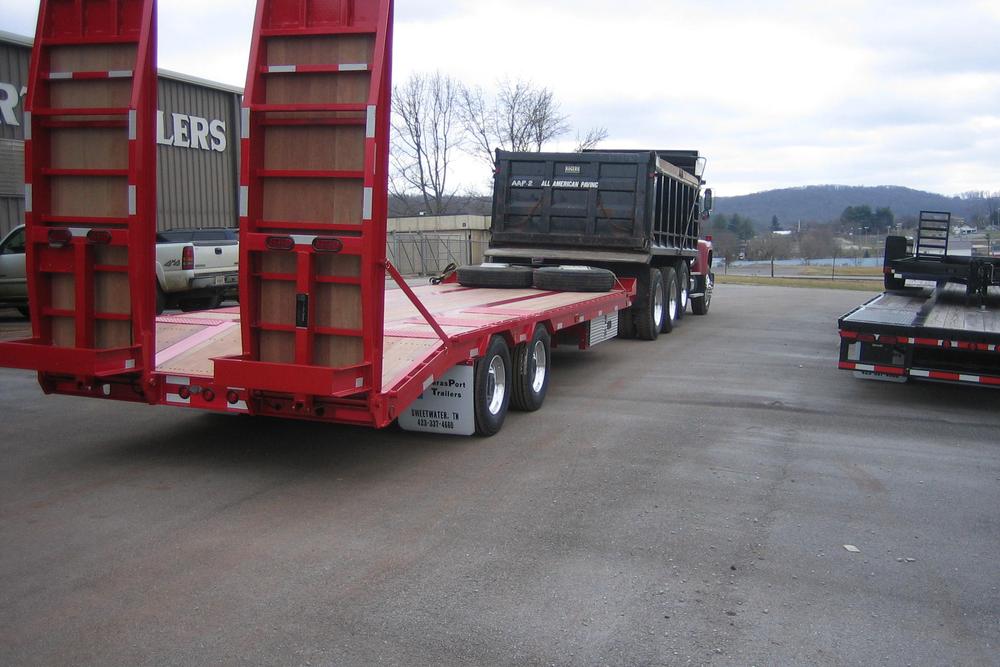
For heavy equipment hauling, such as with equipment trailers that regularly transport construction machinery, steel’s impact resistance and lower cost often make it the practical choice, particularly when the trailer bed takes frequent abuse from loading and unloading heavy items.
For long haul freight operations, where fuel efficiency and payload capacity directly affect profitability, aluminum’s weight savings frequently justify the higher upfront investment, especially for freight trailers that run high mileage routes regularly.
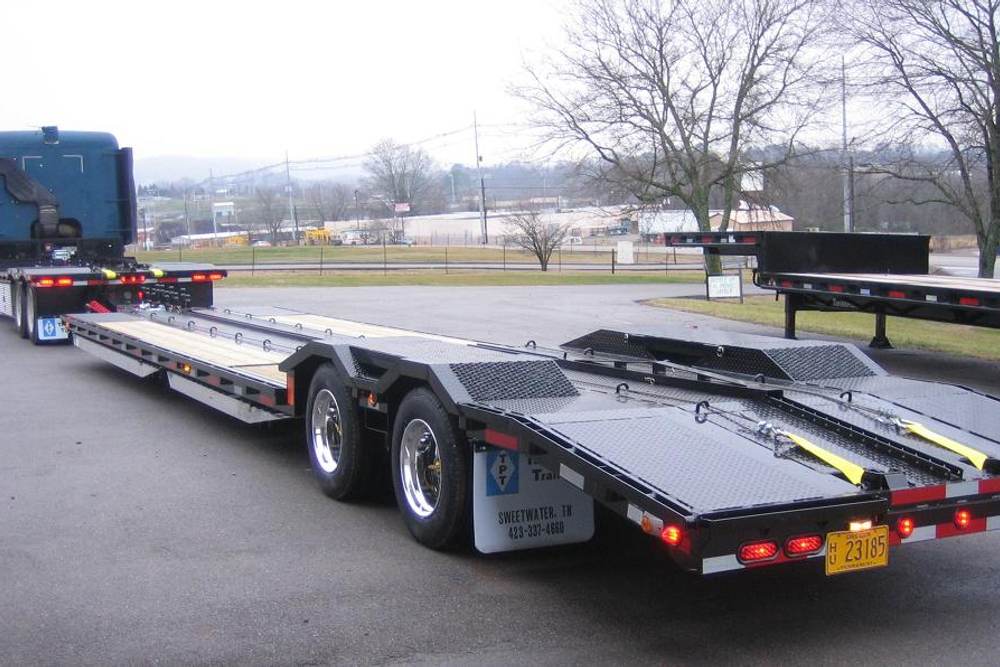
For auto transport trailers, aluminum is often preferred because reduced trailer weight directly increases the number of vehicles that can be legally hauled per trip, which has a meaningful impact on operational economics.
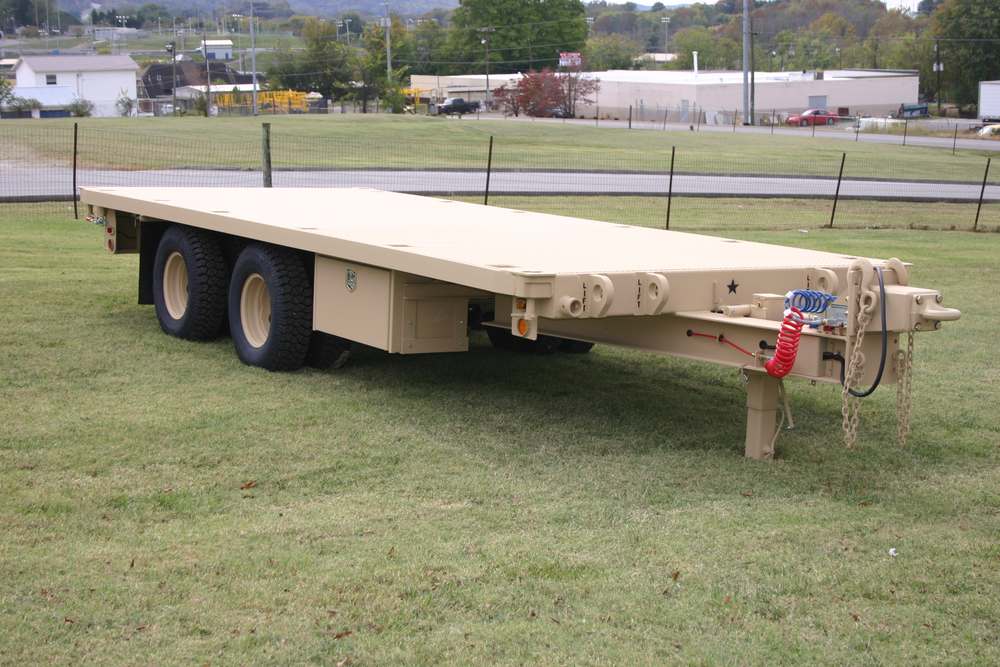
For military and government applications, the choice often depends on mission specific requirements, since durability, weight, and corrosion resistance all carry different weight depending on operating conditions and deployment environments.
Cost Over the Trailer’s Lifespan
Although steel trailers usually cost less initially, evaluating total ownership costs gives a more complete financial picture.
Steel trailers may require additional maintenance to manage rust and corrosion, particularly in demanding climates. Those maintenance expenses can increase total ownership costs throughout the trailer’s lifespan. Aluminum trailers typically require less corrosion-related maintenance. Combined with improved fuel efficiency, those savings can offset the higher purchase price for many operators who log significant annual mileage.
Calculating expected mileage, cargo weight, operating conditions, and climate exposure can help determine which material delivers the strongest long-term value.
Can You Combine Steel and Aluminum?
Some trailer designs use a hybrid construction that combines steel and aluminum. Steel is used for structural components that require maximum strength, while aluminum is used for panels or other areas where reducing weight delivers the greatest advantage. This approach creates a practical balance between durability, cost, and payload capacity.
At TarasPort Trailers, we discuss hybrid construction whenever it fits a customer’s operational requirements instead of automatically recommending an all-steel or all-aluminum trailer.
Making the Right Choice for Your Operation
Ultimately, choosing between a steel vs. aluminum trailer comes down to your specific priorities. If durability, lower upfront cost, and easy field repairs matter most, steel is likely the better fit. If payload capacity, fuel efficiency, and corrosion resistance matter more for your long-term operations, aluminum is probably worth the higher investment.
At TarasPort Trailers, we do not push a one size fits all answer. We engineer custom solutions based on your exact cargo, climate, budget, and operational requirements, whether you manage a national fleet, run your own business, or support military logistics.
Explore our full range of custom heavy duty trailers to see how we approach material selection for different applications.
Still unsure which material fits your operation best? Request a quote and our team will walk you through the tradeoffs based on your specific hauling needs.
FAQs
Is a steel or aluminum trailer better overall?
Neither material is universally better. Steel offers lower upfront cost and strong impact resistance, while aluminum offers lighter weight, better fuel efficiency, and stronger corrosion resistance.
Which trailer material lasts longer?
Aluminum generally resists corrosion better than steel, which can extend service life in wet or salt heavy climates, though properly maintained steel trailers can also offer a long service life.
Are aluminum trailers worth the higher cost?
For operations focused on long haul routes, payload capacity, or corrosion prone climates, the higher upfront cost of aluminum often pays off through fuel savings and reduced maintenance over time.
Is steel or aluminum easier to repair?
Steel is generally easier and less expensive to repair in the field, since it can be welded using more widely available equipment compared to aluminum.
Can a trailer be built with both steel and aluminum?
Yes. Hybrid builds combine steel for structural strength with aluminum for weight reduction in specific areas, offering a balance between durability and payload capacity.